 Vancouver
METRO VANCOUVER NEWS
Federal spending measures rise by $331.6 billion under Carney, budget watchdog says
The Parliamentary Budget Officer says federal measures in three spending plans under Prime Minister Mark Carney cost $331.6 billion more. Ottawa has used 96 per cent of new fiscal room for spending commitments, while the office says narrow margins could put the government's fiscal anchors at risk.
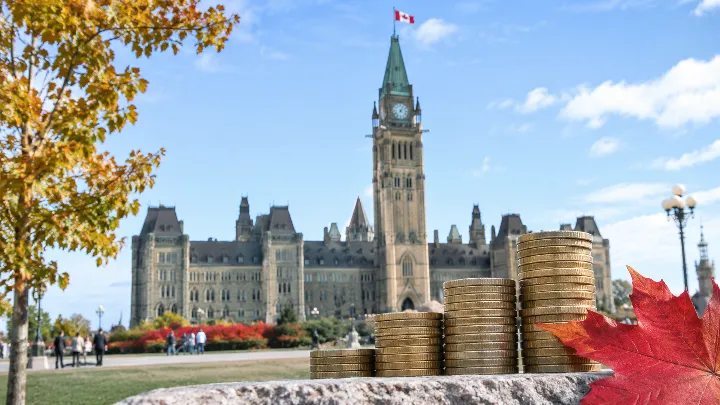
OTTAWA — The Parliamentary Budget Officer is questioning the federal government’s promise to spend less and invest more. In reports released Tuesday reviewing Budget 2026, PBO Annette Ryan said the government’s overall fiscal position is somewhat better than projected in Ottawa’s April spending update. Better-than-expected economic results increased revenues, while higher global oil prices brought in more tax revenue and improved the bottom line.
Ryan said the government has used 96 per cent of that new fiscal room for fresh spending commitments instead of meaningfully reducing the deficit. The PBO projects that the cost of federal measures in the three spending plans tabled under Prime Minister Mark Carney is $331.6 billion higher. About 60 per cent of that spending is for day-to-day government operations, the PBO says, rather than the capital spending Carney has promised to prioritize.
“The government promised to spend less to invest more. This budget spends more, invests more and borrows more,” Ryan said in a media statement Tuesday.
John Fragos, spokesperson for Finance Minister Francois-Philippe Champagne, said about $90 billion of the roughly $150 billion in new measures announced in Budget 2026 is focused on capital expenditure. The PBO also acknowledged that the Nov. 5 budget shifts Ottawa’s spending priorities toward capital. “Even so, most new measures from Budget 2025 onward have gone to day-to-day operations,” the report said.
Fragos said the budget’s borrowing beyond the government’s means is focused solely on generating future growth and creating conditions for greater investment in Canada. He also pointed to the government’s fiscal anchors — a declining deficit-to-GDP ratio and a pledge to balance the operating budget — as evidence of prudent financial management. Budget 2026 also puts the debt-to-GDP ratio, a fiscal anchor used by previous Liberal governments, on a lower trajectory.
The government set out a path to meet its fiscal anchors in this year’s budget, but the PBO warned Tuesday that the margins are narrow. If the deficit is $2 billion higher than Ottawa expects in the next fiscal year, the government will miss its pledge to reduce the deficit as a share of the economy.
Ryan has also raised concerns about how the government defines capital and operating spending, a distinction that matters when assessing whether it has balanced the operating budget. In Tuesday’s report, she argued that Ottawa would fail to balance its operating budget over the forecast horizon if it used more internationally accepted definitions of capital and operating spending. “Whether the anchor is met depends on how capital is defined,” the report said.
This report by The Canadian Press was first published Nov. 17, 2026.