 Vancouver
METRO VANCOUVER NEWS
Surrey Schools expands student supports and lunch programs
A $2.7-million ongoing investment for 2026-27 will add 78 positions, expand universal lunch service and strengthen food supports across the district.
Surrey Schools is adding $2.7 million in ongoing funding to its 2026-27 operating budget to expand student supports and food programs. The district says the additional funding was made possible by stronger-than-expected year-end financial results.
The investment will fund 69 inclusive education support worker positions, two Indigenous graduation advocates and seven youth and child-care workers. The support-worker positions will be distributed among Surrey and White Rock schools according to student need, rather than assigned to particular schools. Superintendent Mark Pearmain said some students require one-to-one help, while others can share support with peers in their classrooms.
The two new Indigenous graduation advocates will bring the district total to eight. They will be distributed among Surrey's 21 secondary schools, with support focused on schools with larger Indigenous student populations. Pearmain said they will help students graduate, identify their interests and connect with post-secondary opportunities.
The seven youth and child-care workers will support secondary-school students with social and emotional needs. Pearmain said the new positions are full-time and continuing, and the district is working to place staff in schools as quickly as possible for the 2026-27 school year.
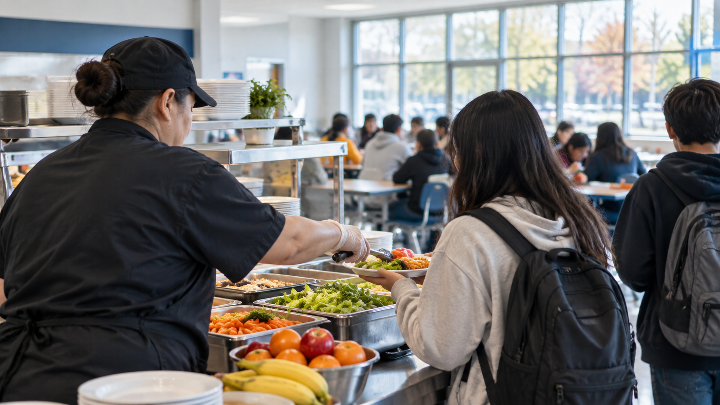
Surrey Schools is also expanding its universal lunch program, aiming to have universal programs at 91 district schools by December. The district currently operates lunch programs at 128 schools. This September, 82 of the 91 elementary schools with lunch programs are moving to a universal model, while the remaining nine will operate subsidized programs before transitioning to universal service.
Families that pay for universal lunches are charged $3 per meal, while some students experiencing financial need can receive meals free of charge. Pearmain said the district's centralized kitchen prepares large quantities of hot meals for delivery to elementary schools, which generally do not have the kitchen infrastructure found at secondary schools. The meals will include vegetables, balanced choices and food intended to reflect Surrey's diverse student population.
The district also runs breakfast programs in 99 schools, along with snack programs, community fridges and take-home supports such as frozen meals and weekend hampers. Pearmain said the food programs are intended to reduce barriers for students experiencing food insecurity.
Pearmain said the $2.7-million investment follows a period when district spending exceeded revenue and difficult financial decisions were required. He said the improved financial position allows the board to make ongoing investments while continuing to manage its finances and follow its strategic plan.