 Vancouver
METRO VANCOUVER NEWS
Trump’s trade war with Canada becomes issue ahead of U.S. midterms
U.S. tariffs on Canadian goods and a breakdown in trade talks are creating political pressure in states with close Canadian trade ties ahead of November’s midterm elections.
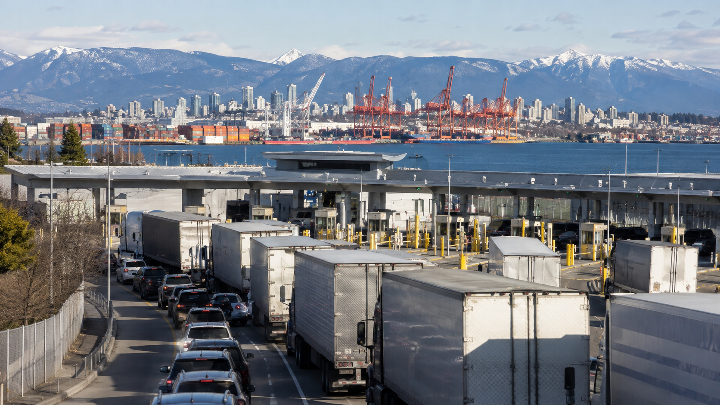
President Donald Trump’s escalating trade war with Canada is becoming an issue for voters in several states as the United States approaches pivotal midterm elections in November. Maine Republican Sen. Susan Collins told Politico that Canada is America’s friend, closest ally and largest trading partner, and that the closely linked economies mean hurting Canada hurts Maine.
Canada is Maine’s largest trading partner, and sectors including seafood and lumber are integrated with Canadian industries. Collins has said tariffs on Canada are terrible for Maine and make her re-election effort harder. Matthew Lebo, a political-science professor at Western University in London, Ontario, said historical trends generally make midterms difficult for the president’s party. He said the House has long been expected by many observers to flip to Democrats, and the Senate could also be in play, particularly in Alaska, Iowa, Maine, Michigan and Ohio, which have close trade relationships with Canada.
Trump’s return to the White House upended Canada-U.S. relations, putting Canada under tariffs and annexation threats. After trade talks broke down last month, Trump imposed 50 per cent tariffs on Canadian goods including hockey sticks, cement and honey, intensified anti-Canada rhetoric and signed an executive order renaming Lake Ontario “Lake America.” Canada is to impose retaliatory duties Tuesday, many targeting key industries in states with competitive midterm races. Both countries accuse the other of late changes to negotiations.
Trump’s team has blamed Ottawa and accused Prime Minister Mark Carney of derailing a deal for domestic political reasons. Carney said he did not believe appointed, unelected U.S. cabinet members were experts on Canadian politics. An Ipsos/Reuters poll published last week found two-thirds of Americans disapproved of the lake renaming and only 20 per cent supported higher tariffs on Canada.
A source not authorized to speak publicly said Republicans from border states told U.S. Trade Representative Jamieson Greer at a Sept. 2 White House event to find an exit from the trade war because it was becoming politically toxic. Michigan Democratic Senate candidate Abdul El-Sayed said the dispute was not a vanity war with Canada but a war on Michigan, where residents pay more for goods.
Lebo said some Republican candidates are distancing themselves from Trump and his Canada tariffs. New York Democratic Gov. Kathy Hochul has criticized the trade war, while her Trump-backed opponent, Bruce Blakeman, declined in late August to discuss federal issues when asked about tensions. Other Republicans support the approach: New York House candidate Anthony Constantino called the Lake Ontario renaming “marketing genius” and said Trump had shown strength in negotiations.
Christopher Sands, director of Johns Hopkins University’s Center for Canadian Studies, said the U.S. economy is in flux as the war with Iran, higher gas prices and tariffs affect investment and employment, while affordability is the leading ballot-box issue. Neither party should expect an easy November, he said, but Trump’s actions toward Canada offer Democrats an opening and could help unite centrist Democrats with left-wing factions including the Democratic Socialists of America. Sands said many Americans do not understand why the trade war is happening.