 Vancouver
METRO VANCOUVER NEWS
B.C. NDP defends actions after reports of confidential land deal
Confidential documents obtained by Northern Beat indicate the NDP government considered changing compensation rules for some of roughly 400 Crown land parcels being transferred to First Nations. The government says cabinet approved engagement on options, not legislation; the plan was put on hold when the election was.
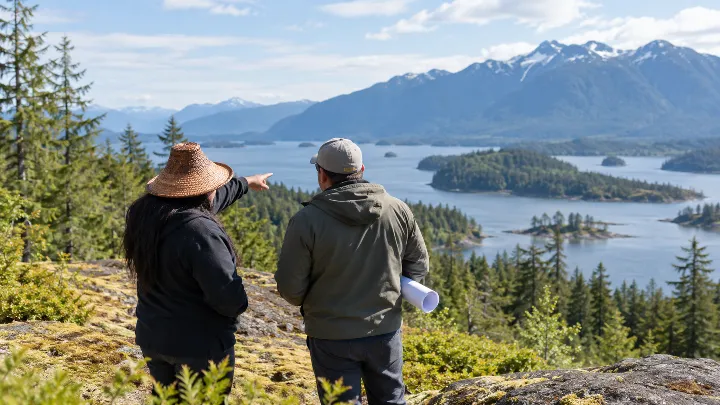
NDP Leader David Eby is defending his government’s actions after reports emerged about a confidential land deal. Northern Beat says documents it obtained show the NDP government proposed changing compensation rules for some of roughly 400 parcels of Crown land being transferred to First Nations.
The BC NDP says cabinet did not approve legislation. It authorized engagement on options for potential legislation, focused on a limited number of cases in which transfers affect land with tenure licences. The party added that only about half of the parcels have potential forestry impacts. The plan was put on hold when the election was called. Forestry companies were briefed under non-disclosure agreements, and the policy was not included in the NDP’s election platform.
Conservative candidate Scott McInnis called the lack of transparency disturbing. He said it was not new for the government to make important decisions about Crown land and First Nations without telling anyone. He said he was shocked that Eby and the NDP had not learned that the public had no appetite for reconciliation conducted behind closed doors.
Eby said the transfers reflect existing treaties and other commitments under the reconciliation process, some dating back decades. He said the proposed legislation was intended to reduce costs for taxpayers. The significant fiscal cost, he said, comes from transferring those tenures to First Nations under the agreements; the proposal was meant to reduce the cost and burden of the obligations.
At Wednesday night’s televised leaders’ debate, Eby, BC Conservative Leader Lorne Doerkson and BC Green Party Leader Emily Lowan were asked about the Declaration on the Rights of Indigenous Peoples Act (DRIPA), which has become a prominent election issue. The BC Treaty Commission says the act sets out a process to align provincial laws with the rights in the UN Declaration, an action plan to achieve its objectives and annual progress reporting.
Eby acknowledged the issue is crucial in B.C. and that some residents are concerned about property rights. He said partnership with Indigenous people is one of two cornerstones of the province’s success. He argued that partnerships enabled by the law have helped the province advance major projects through the Major Projects Office and proceed with projects including LNG Canada Phase II. Eby also said the government is appealing recent court decisions to ensure private property in B.C. is protected.
Doerkson said the BC Conservatives would repeal DRIPA if elected. He said it had not helped and that he had never seen British Columbia more divided over the landscape, despite the legislation being relatively new. He said division on the issue was greater than ever and called for a better path based on respect, relationships and partnerships with First Nations. He said he was committed to that approach.
Lowan said First Nations had been unequivocal that the government must do the work to implement DRIPA. She argued that uncertainty over the past year had been created by a premier who could not make up his mind and a Conservative party that continually pushed misinformation and blatant fearmongering. She said both parties were willing to engage in a bad-faith argument that had no bearing on private property. In her account, the act sets rules for government to do its homework and bring legislation into alignment with B.C. laws and the minimum human-rights standards set out by the UN for Indigenous people.
With files from The Canadian Press.