 Vancouver
METRO VANCOUVER NEWS
More electric vehicles to be exempt from luxury tax, Ottawa says
Finance Minister François-Philippe Champagne says electric vehicles priced below $150,000 will be exempt from the 10 per cent luxury tax starting Friday. The $100,000 threshold will remain for other vehicles.
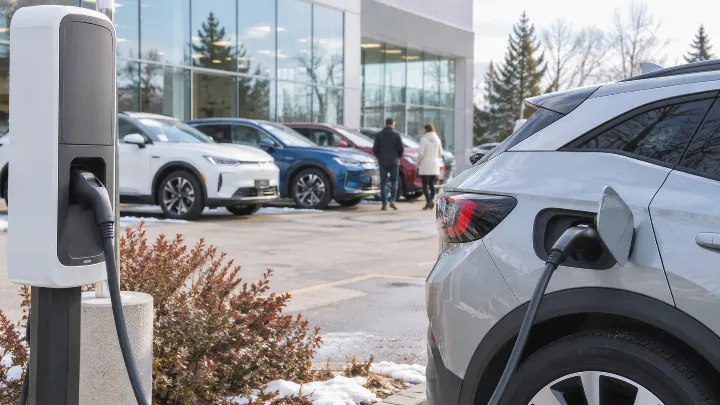
Finance Minister François-Philippe Champagne said Friday that electric vehicles priced below $150,000 will be exempt from the 10 per cent luxury tax. The threshold for vehicles subject to the tax was previously $100,000, which included electric vehicles priced above that amount. All other vehicles remain subject to the $100,000 threshold. Champagne said the higher EV threshold recognizes the higher upfront cost of zero-emission vehicles and supports the global shift to electric vehicles.
Canada’s luxury tax was proposed in the 2021 budget and took effect in September 2022. It applies to luxury cars, planes and boats purchased for personal use and leisure. The tax is either 10 per cent of an item’s taxable amount or 20 per cent of the amount above the price threshold, whichever is less.
The Canadian Automobile Association puts the average price of a new electric vehicle in Canada at about $50,000, though some models from BMW, Mercedes-Benz, Audi, Cadillac and Tesla cost well over $100,000. Statistics Canada data released in September show zero-emission vehicles made up 3.5 per cent of Canada’s 25.3 million registered light-duty vehicles in 2025. More than 58,000 new zero-emission vehicles were registered across the country that year. The Department of Finance projects that zero-emission vehicles will account for nearly 40 per cent of global car sales within five years.
Budget 2026 committed $587 million over five years to install more than 55,000 electric-vehicle chargers, more than doubling the availability of federally supported chargers. Champagne said the government is expanding the electricity system, cutting emissions and unlocking investment in clean technologies. He said updating the measure to reflect today’s vehicle market supports a transition to a cleaner, more competitive economy.
This is not the first change to the luxury tax. In November 2025, the federal government scaled back the tax on aircraft and boats after budget figures showed revenues from those items had fallen short of initial projections.