 Vancouver
METRO VANCOUVER NEWS
Ottawa to invest $200 million in B.C.’s Woodfibre LNG project
The federal government announced a $200-million investment in Woodfibre LNG near Squamish. The facility is designed to produce about 2.1 million tonnes of LNG a year, and its first cargo is expected to leave Howe Sound next year.
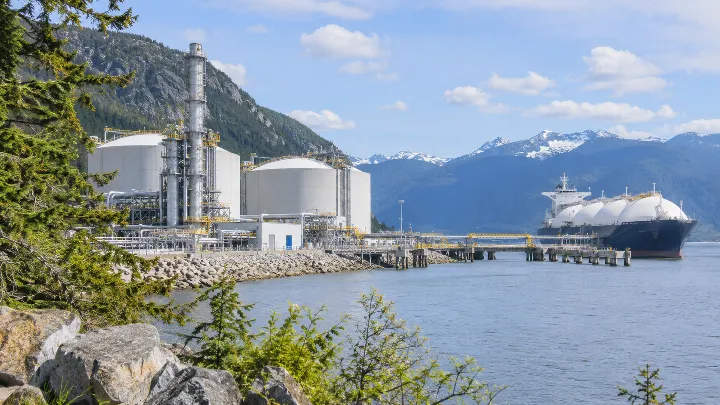
The Canadian government announced Friday morning that it is investing $200 million in Woodfibre LNG in B.C. Energy Minister Tim Hodgson said the federal government’s Budget 2026, introduced a week earlier, sets out a goal of making Canada a global energy superpower and a leading destination for investment in energy and natural resources. He said that work would launch a new investment cycle in Canada.
The Woodfibre LNG facility is southwest of Squamish. It will receive natural gas, cool it into liquefied natural gas, load it onto specialized LNG carriers and export it overseas. The facility is designed to produce about 2.1 million tonnes of LNG annually.
It was the first LNG export facility in Canada approved to use electric compressors instead of conventional gas-powered turbines. The company said it has committed to operating as the world’s first net-zero LNG export facility, using nature-based carbon offsets for emissions that are difficult to abate.
Premier-designate Lorne Doerkson said in a statement that Woodfibre shows what governments, First Nations and industry can accomplish by working together. He said the Squamish Nation led its own environmental assessment, established 25 legally binding conditions and continues to play an important oversight role as the project advances. He said the partnership created certainty, strengthened the project and laid a foundation for further work. Doerkson said Woodfibre’s first cargo is expected to sail from Howe Sound next year.
Hodgson said Canadian natural gas exports have flowed almost exclusively to a single market for decades. He said governments, industry and Indigenous people are changing that through collaboration for the benefit of all Canadians. Canada’s Pacific coastline provides direct access to some of the world’s most dynamic economies, he said, and the government will use that geographic advantage to attract investment, build major projects and create jobs for British Columbians and Indigenous people.