 Vancouver
METRO VANCOUVER NEWS
Eby defends proposed limits on compensation for forest companies in First Nations land transfers
David Eby says draft legislation limiting compensation when Crown land is returned to First Nations would reduce costs for taxpayers. Forest industry leaders say companies were left out of discussions and should not have to absorb those costs.
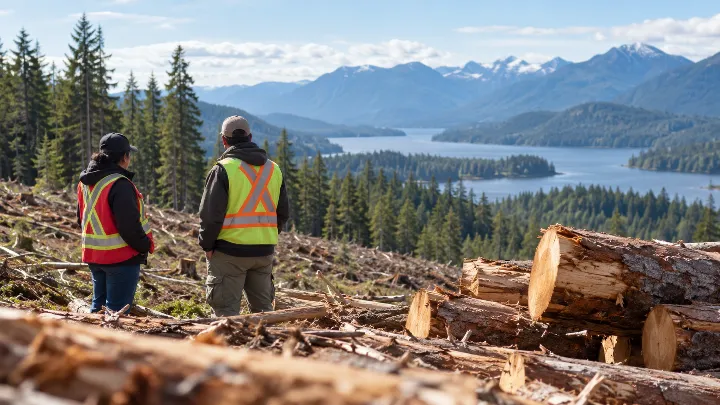
A forest industry leader wants the former government’s plan to limit compensation for forestry companies when land is transferred to First Nations scaled back. British Columbia NDP Leader David Eby has defended the proposal.
Kim Haakstad, president of the Council of Forest Industries, said it was unfair to ask businesses to absorb the costs. She said the proposal adds to the difficulty forest products manufacturers face in continuing to operate in B.C., particularly now. In 2003, the province compensated companies when it took about 20 per cent of tenures to create BC Timber Sales. Haakstad said she believes the same principle should apply.
Confidential documents published by online outlet Northern Beat said Eby’s government had previously committed to transferring about 400 parcels of Crown land to First Nations while limiting compensation for companies with timber rights on that land. Eby said the transfers reflect existing treaties and other commitments made through reconciliation, some dating back decades. He said the proposed legislation is intended to reduce costs for taxpayers.
The documents said current law requires the government to compensate forestry firms, but that, “given ongoing fiscal constraints,” compensation would create substantial barriers to completing land returns. A spokesperson for Eby’s campaign said the draft legislation would limit compensation. If a transfer affected less than five per cent of a licence’s annual allowable cut, the tenure holder would receive no compensation.
Briefing notes dated Sept. 10 were revealed just days before the provincial election on Oct. 24. The NDP platform does not mention the plans, and forest companies had to sign non-disclosure agreements to see them. Eby said such agreements are standard and rejected suggestions that the process was secretive.
At an unrelated campaign announcement in Surrey, B.C., Eby said the agreements were not new and provided some cost relief for taxpayers on agreements with First Nations, some of which are historic. Asked how the proposal would help forest companies avoid job losses during economic difficulties, he said transferring tenures to local groups and First Nations helps keep logs and jobs in communities. He said characterizing the proposal as an obstacle to forestry was the opposite of what was happening, adding that it was about minimizing the impact of such agreements on taxpayers.
A campaign spokesperson said cabinet approved stakeholder engagement in July, but the proposal remained a draft and was not final legislation. The engagement was considering adjustments to compensation in a limited number of cases involving transfers of land with forest licences.
The B.C. Conservatives said in a statement Thursday that the plans amounted to “more secret dealings” by Eby’s NDP. The party said Eby was refusing to be upfront and honest with British Columbians. In its 2024 election platform, however, the party said returning land to First Nations was critical to economic self-sufficiency. It said it was “committed to the strategic and collaborative return of land to First Nations, enabling bands to forge their own economic future.”
Haakstad said more than 20 mills have closed in B.C. since 2023, while others continue to operate below full capacity. She said the challenges include not only duties and tariffs but also “homegrown challenges that we have created.” She hopes the NDP will reconsider the proposal if re-elected. Haakstad said the government needs a budget to fund its agreements with First Nations, and that she supports many of them.
Forest companies support reconciliation and have many significant partnerships with First Nations, Haakstad said. But if the government commits to costs, it needs to pay them; asking forest companies to absorb those costs is generally unfair, she said. Companies were not at the table for the proposal. Haakstad said they know there are 400 parcels but have no idea where they are, and have little information about likely impacts, which she called a troubling pattern.
Haakstad said she was not convinced non-disclosure agreements were needed in this case, but her organization signed one. She could not say how many other industry groups or companies had done the same. She said COFI had concerns about NDAs, but once signed, the organization respects them and works with legal counsel because she did not want to break an agreement. Haakstad added that somebody had broken one; she would not have, and would have respected it, but elections make for interesting times.
This report by The Canadian Press’s Wolfgang Depner was first published Oct. 15, 2026.