 Vancouver
METRO VANCOUVER NEWS
Iraq moves to contain fallout after Iran-backed militias accused of Saudi pipeline attack
Saudi Arabia closed its East-West oil pipeline after a drone attack it said originated in Iraq, prompting Baghdad to investigate and dismiss two provincial officials.
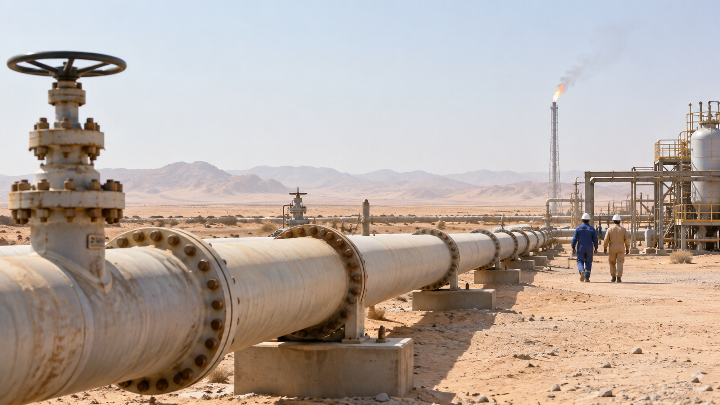
Iraq’s government moved Saturday to contain the fallout after local Iran-backed militias were accused of attacking a key Saudi oil pipeline. While an umbrella group of Iran-backed militias denied involvement, Baghdad confirmed that the attacks originated from Iraqi territory.
The government pledged an investigation and dismissed two senior officials. It is under increasing pressure to stop local militias from helping other Iranian proxy groups in the region. Iraq has set a Sept. 30 deadline for non-state groups to disarm, although several of the most powerful militias have said they will not comply.
Prime Minister Ali al-Zaidi said he ordered an investigation into the operations command in Maysan province, along the Iranian border, and dismissed the province’s commander. His office later said the provincial police chief had also been dismissed. The militia umbrella group said it would co-operate with the investigation while praising Yemen’s Houthi rebels for their continuing battlefield victories against Saudi forces.
Saudi Arabia shut down the major cross-country East-West pipeline Friday as a precaution after it came under drone attack. Saudi officials said several drones had come from Iraq, but said the kingdom would not retaliate in order to give Iraq’s government an opportunity to take necessary measures. Kuwait, the United Arab Emirates, Oman and Egypt were among Arab countries that condemned the attack Saturday, according to the Saudi state news agency.
Built in the 1980s, the East-West pipeline has been important to Saudi oil exports since the Iran war disrupted shipping through the Strait of Hormuz. By early June, Saudi oil exports from the Red Sea port at the pipeline’s end had more than doubled to over five million barrels a day, according to the International Energy Agency.
Speaking to reporters in Dublin on Saturday, U.S. President Donald Trump said Iran was “probably” responsible for the pipeline attack, while seeking to calm concerns. He said his administration had held discussions with the Houthis but did not say when; the White House did not immediately respond to a request for comment on their timing. The administration held at least one round of talks with the group in May 2025. Trump said the Houthis did not want to fight the United States and were allowing most ships to pass through.
The Houthis’ advance along Yemen’s west coast has dealt a major setback to the Saudi-backed coalition and raises the risk of a wider regional war. The group seized an island in the Bab el-Mandeb Strait on Friday. About 12 per cent of global trade passes through the strategic shipping route, and the Houthis’ virtual control of the strait could further raise global oil prices already inflated by the six-month Iran-U.S. war. The strait became a vital commercial route for Saudi oil after the Iran war disrupted shipping through the Strait of Hormuz.
Iraq also closed two key border crossings with Iran in a move that may be connected to the investigation, the state-run Iraqi news agency reported Saturday. Iraqi officials were at the border investigating earlier violations and infractions at the crossings. Valiollah Hayati, deputy governor of Iran’s southwestern Khuzestan province, identified the crossings as Shalamcheh and Chazabeh, two of the main official crossings between the countries. Iranian state media said all passenger and commercial traffic would be halted until further notice.
Since the United States and Israel attacked Iran on Feb. 28, Tehran-backed Iraqi militias have struck U.S.-linked targets in and outside Iraq and co-ordinated with Yemen’s Houthi rebels to attack Saudi Arabia. Saudi Arabia and the United States bombed Iranian-backed militias in Iraq in July after blaming them for drone attacks on Saudi oil facilities claimed by the Houthis. Regional officials told The Associated Press that the Houthis helped Iraqi militias plan and carry out those attacks.
The escalating violence could end the fragile truce that has largely halted Yemen’s civil war since 2022. The conflict in the Arab world’s poorest country, home to 40 million people, has killed 150,000 people and brought many others close to famine. The UN migration agency said Friday that more than 46,000 people had fled during the past week’s increase in fighting.
The Houthis have been fighting Yemen’s government since 2014, when they seized much of northern and central Yemen, including the capital, Sanaa. Saudi Arabia entered the war the following year in support of the government.