 Vancouver
METRO VANCOUVER NEWS
Questions over DRIPA and land rights persist after B.C. government briefing for mayors
B.C. ministers addressed municipal leaders’ concerns about DRIPA and land rights, while the attorney general offered no commitment on whether related legislation will be repealed or amended.
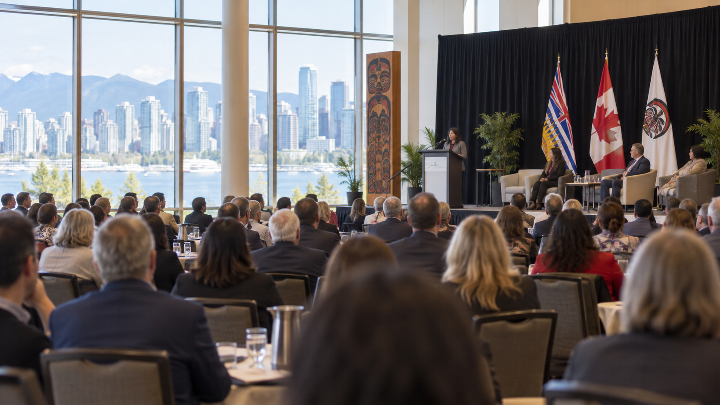
Hundreds of B.C. mayors and councillors gathered in Vancouver for their annual convention and attended a session on contentious Indigenous-rights legislation. Lawyers, First Nations leaders and provincial ministers discussed the Declaration on the Rights of Indigenous Peoples Act, known as DRIPA, at the Union of B.C. Municipalities conference.
Indigenous Relations Minister Spencer Chandra Herbert said the Cowichan Lands decision, which has prompted questions about private-property rights in Richmond and elsewhere, is separate from DRIPA. He said conflating the two has complicated discussions about reconciliation, land rights and consultation with First Nations. Herbert said other provinces have treaties, while B.C. did not complete that work.
Several UBCM attendees told CTV News they regularly hear from constituents worried they could lose their homes to Aboriginal land claims. They said those concerns sometimes arise from misinformation and sometimes from political rhetoric that they believe has inflamed the issue. Karen Restoule, a lawyer and Indigenous affairs director at the MacDonald Laurier Institute, said the principles supported by the United Nations Declaration on the Rights of Indigenous Peoples centre on respecting people in their jurisdictions.
Aaron Pete, chief of the Chawathil First Nation and a podcaster, said he would work with the government to clarify public concerns and reduce tensions. He said he was concerned that rising tensions could prompt businesses to leave, reducing the economic base available to share.
B.C. Conservative MLA Harman Banghu, who represents Langley-Abbotsford, said panellists were glossing over potential pitfalls of DRIPA and related legislation. He called for professionals to explain the detailed issues so British Columbians can understand what is at risk.
Attorney General Niki Sharma said she had listened carefully to delegates’ concerns and promised better communication about the legislation with local governments and the public. Speaking alongside the Grand Chief of the Assembly of First Nations at the end of the event, Sharma declined to say whether the government plans to repeal or amend DRIPA legislation, saying discussions were continuing and an update would follow once details were finalized.