 Vancouver
METRO VANCOUVER NEWS
Coquitlam mayoral candidates answer residents’ questions
Madhavee Inamdar, Trish Mandewo and Craig Hodge are seeking to become Coquitlam’s next mayor. Their responses address housing, transportation, taxes, the environment, homelessness, surveillance technology and priorities for the next council.
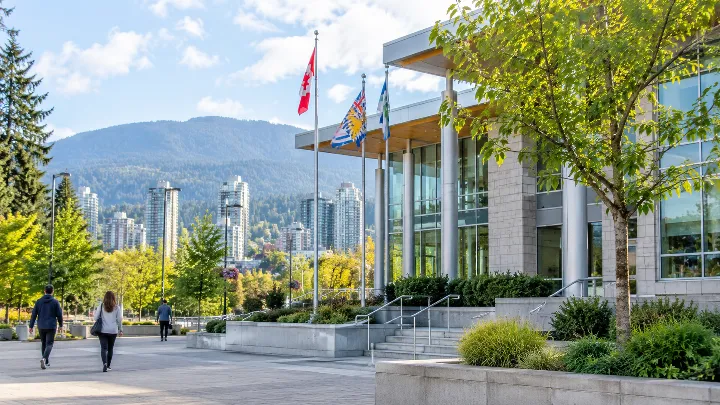
Three candidates, including two current city councillors, are seeking to become Coquitlam’s next mayor. Longtime Mayor Richard Stewart is stepping away after this term. Candidates were asked to keep each response to 100 words.
**Madhavee Inamdar**
Inamdar said she has lived in Coquitlam for 22 years. She said the city is not adding the right mix of housing: pushing mega-towers at one end and paving over lots for oversized houses at the other is neither sustainable nor sensible. In her view, it squeezes out young families, reduces green space and strains neighbourhood streets. She called for diverse low- and mid-rise options, including townhomes, family-sized rowhouses, co-ops and non-profit rentals. She said Coquitlam needs balanced planning that is not driven by developers or wealthy residents and provides genuinely affordable, livable homes for people of all ages without sacrificing green space or community character.
She identified gridlock on major routes and weak public transit connections as the main transportation problems. Rapid densification and growth, combined with unreliable transit, force heavy reliance on cars, she said. She described the underlying problem as unmanaged growth pushed by developers who have influenced zoning and rezoning decisions, along with council’s neglect of infrastructure needs. Asked what she would have done differently in the last term, she cited the 2022 confidential-document leak involving the North Shore Wastewater Treatment Project. She alleged that the mayor and council have continued to defend Mr. Stewart’s sharing of logins and passwords. She said that as mayor she would have taken personal responsibility and upheld public trust and City Hall ethics, and would establish an independent municipal integrity commissioner or ethics officer empowered to investigate councillors and senior staff.
Inamdar said she does not accept developer contributions and considers the recently approved 3.37 per cent tax increase too high. She said the city is not doing enough to protect trees and waterways. She described Coquitlam’s Tree Management Bylaw No. 4091 as outdated and containing loopholes, and said developers often find it significantly cheaper to clear-cut an entire lot, including mature trees, and pay replacement fees. She also said 2,000 salmon were recently destroyed and that Coquitlam has lost 4 per cent of its overall tree canopy, among the highest losses in urban areas of B.C.
She said emergency shelters do not solve homelessness. The city should work proactively with BC Housing to secure land and funding for permanent supportive housing with health care and other social supports, and council should dedicate city-owned land for that purpose. She said she would never support Flock- or Axon-type surveillance cameras. Her three priorities for the next term were “Infrastructure, Integrity and Information Transparency.” She said she brings no political or developer baggage and has more than 20 years of public-sector management experience, including with the RCMP. She described herself as an independent community partner committed to ethics, accountability and speaking for communities and vulnerable people without self-interest.
**Trish Mandewo**
Mandewo said she has lived in Coquitlam for 18 years. She called for a better balance of housing types for residents at every stage of life. While high-density housing has grown significantly, she said the city also needs more family-sized homes with three or four bedrooms, townhouses, duplexes and other missing-middle options so young families can put down roots and seniors can downsize without leaving their communities. She welcomed steps taken during her time on council, including adoption of a Housing Unit Mix Policy in July 2026 to encourage more family-sized apartments and expanded opportunities for small-scale housing. She said these would be priorities if elected mayor.
She said the main transportation challenge is keeping infrastructure in step with rapid population growth. Her proposals included upgrading key roads and intersections to improve traffic flow; advocating for more frequent buses, expanded routes and stronger regional connections; improving sidewalks, pedestrian crossings and cycling infrastructure; closing transportation-network gaps and improving access to SkyTrain stations; and matching transportation infrastructure to housing development. She also said she would work with Port Coquitlam to complete the Freemont Connector.
Among her personal accomplishments, Mandewo said she brought Equip Sport to Coquitlam, establishing 16 locations offering free sports equipment, and successfully advocated for the Caribbean Festival to come to the city. She said speaking engagements raised Coquitlam’s profile provincially, nationally and internationally, and that as president of the Union of BC Municipalities (UBCM) she championed priorities for Coquitlam. She listed council achievements including advancing Burke Mountain Athletic Park, improvements to Town Centre Park and the Burke Mountain Community Centre; expanding housing choices, including missing-middle housing; supporting investment in parks, urban forests, trails and green spaces while advancing climate resilience and responsible growth; investing in roads, bike lanes, utilities and community facilities; and supporting responsible budgets while maintaining essential services.
Mandewo said she leaves campaign donations to her financial agent, who manages contributions and ensures compliance with Elections BC rules. She said she does not accept donations from developers, but does accept contributions from personal friends and connections. She said she raised among the lowest amounts of all candidates in the last two election cycles: the second-lowest in 2018 and the lowest in 2022.
She said about 42 per cent of the 3.37 per cent tax increase is attributable to RCMP contract costs alone. Police and fire services together account for $64 of the average household’s $137 combined tax and utility increase. Given pressure on essential services and infrastructure maintenance, she considers the increase reasonable. She also acknowledged financial pressures on families, seniors and businesses, and pledged to keep future property-tax increases as close to inflation as possible while protecting core services, maintaining infrastructure and demanding accountability for every tax dollar spent.
Mandewo said Coquitlam has made important progress protecting the natural environment, but there is more to do as the city grows. Her priorities include strengthening retention and replacement of mature trees, especially in areas with significant development; protecting streams, riparian areas and fish habitat through responsible development and effective stormwater management; ensuring parks, urban forests and green corridors keep pace with population growth; and investing in natural infrastructure to reduce flooding, manage extreme heat and protect biodiversity.
She described homelessness as a complex issue requiring compassion, accountability and collaboration. She said the city should hold the province accountable for adequate supportive housing, mental-health and addiction-treatment services, and continue working with Kwikwetlem First Nation on winter shelter. For 3030 Gordon, she called for more on-site mental-health care, addiction treatment, outreach and wraparound health supports. She also proposed exploring programs such as the Red Shirt Program to improve community safety and connect vulnerable people with jobs and services, and coordinating solutions with Fraser Health, BC Housing, service providers and neighbouring municipalities.
Mandewo said she is open to surveillance technology that enhances public safety and supports law enforcement, while giving equal importance to residents’ privacy and civil liberties. She would not support indiscriminate surveillance. Before backing Flock- or Axon-type cameras, she said she would require clear evidence they help prevent or investigate crime; compliance with B.C. privacy legislation and safeguards for personal information; strict controls over data collection, storage, retention and access; meaningful public consultation before implementation; and demonstrated value for taxpayers.
She said the next council’s top priority should be responsible growth that protects affordability and quality of life. Her four areas of focus were fiscal responsibility, including keeping property-tax increases close to inflation, managing debt and protecting core services; infrastructure that keeps roads, utilities, recreation facilities and community amenities in step with growth; livability through diverse housing choices and protection of parks, green space and neighbourhood character; and community safety, emergency preparedness, and advocacy for mental-health and addiction services. Mandewo cited eight years of council experience, leadership as UBCM president and strong provincial and federal relationships as assets for delivering results. Her other priorities include keeping taxes and debt in check while supporting seniors and families; expanding housing choices with infrastructure; attracting businesses and growing the commercial tax base; protecting green space, improving transportation and strengthening community safety; and demanding transparency, responsible spending and reform at Metro Vancouver. She said she would bring experienced, collaborative leadership and stand up for Coquitlam.
**Craig Hodge**
Hodge said Coquitlam has been his home for nearly 60 years. He grew up there, attended Centennial Secondary, raised his family there and has served on city council for 15 years. He said he has watched the city grow from a smaller community into a vibrant, diverse city and is proud of its history, neighbourhoods and residents. He said Coquitlam is making progress on housing, but needs more options for every stage of life: townhomes for growing families, rentals for young people, accessible homes for seniors and opportunities for first-time buyers. Growth must also be supported by schools, parks, recreation facilities, transportation and other essential infrastructure. He said affordability is not just about building more homes, but about creating complete communities where people can afford to live, raise a family and grow older without leaving Coquitlam.
He said the main transportation challenge is keeping roads and transit in step with population growth and preventing congestion on major routes from spilling into residential neighbourhoods. He said he would lobby TransLink and senior governments to recognize Coquitlam’s growth, improve transit service, expand connections to underserved areas and invest in road improvements. He would also advocate for the provincial government to fix the Brunette Interchange, and for the federal government and the Port Authority to build a railway underpass on Westwood Street. He said transportation planning must be coordinated with housing growth so residents are not left waiting years for needed infrastructure.
Hodge said he was proud of the partnerships built and investments made to improve quality of life for future generations. He highlighted work to protect the natural environment and expand parks and green spaces, including helping secure approximately 150 acres of environmentally significant land near Minnekhada Regional Park; creating eight pickleball courts at Bramble Park; opening a temporary park on Brunette Avenue; and opening two artificial-turf fields at Centennial School and Bruke Mountain Secondary School in partnership with the school district. He said his record reflects advocacy for community facilities and protection of neighbourhood character.
He said his campaign has a range of contributors, including individuals who work in the construction industry. Hodge said residents deserve transparency about who supports candidates and how campaigns are funded. He said all contributions must comply with B.C. campaign-financing laws, which prohibit corporate and union donations and limit individual contributions. He said City Hall decisions must be made in the public interest and in the best interests of Coquitlam residents, regardless of campaign support.
On the 3.37 per cent tax increase, Hodge said residents value and rely on quality city services and the city must maintain infrastructure and plan for the future. He also said it must recognize the financial pressures facing families, seniors and businesses in difficult economic times. He called for careful expense management, efficiencies and good value for taxpayers, with a focus on keeping property taxes affordable while protecting essential services and infrastructure.
He said Coquitlam has made important environmental progress but can do more. He cited securing parkland, protecting salmon-bearing streams and strengthening environmental protections. He said he supported improved water-discharge regulations and technology to keep pollutants out of waterways, and worked with kʷikʷəƛ̓əm First Nation on the salmon hatchery near Coquitlam Dam. He said the city must continue protecting mature trees, wildlife habitat, streams and green spaces as it grows.
Hodge described homelessness as a complex issue requiring compassion, accountability and cooperation among all levels of government. He said the city has an important role in community safety, while housing, mental-health and addiction services require meaningful provincial and federal support. He called for working with service providers to connect vulnerable people with appropriate housing and treatment while keeping parks, streets and public spaces safe and welcoming. He supports strengthening community-safety resources, increasing police visibility and pursuing practical long-term solutions with partners, such as reopening Riverview.
On Flock- or Axon-type surveillance cameras, Hodge first answered no, then said he is open to exploring technology that can help police investigate crime, recover stolen vehicles and improve public safety. He said any proposal must include strong privacy protections, clear oversight and appropriate limits on how information is collected, stored and used. Residents, he said, deserve both safe neighbourhoods and protection of their personal privacy.
He said the next council’s top priority should be managing Coquitlam’s growth responsibly while protecting residents’ quality of life. That includes keeping property taxes affordable, ensuring infrastructure and services keep pace with development, improving community safety and creating more housing options for families, young people and seniors. He also called for investment in recreation facilities, protection of parks and natural spaces, and advocacy for the schools, health services and transportation improvements the growing city needs. He said council should focus on practical solutions and responsible spending.
Hodge said he has called Coquitlam home for nearly 60 years, spent decades as a community volunteer and advocate, and served on council for 15 years. He said he knows the neighbourhoods and their challenges, and has a record of bringing forward ideas and working with residents, community organizations and other levels of government to get things done. He said he would bring experience, steady leadership and a collaborative approach to the mayor’s office, focused on practical solutions, responsible spending, safe neighbourhoods and preserving Coquitlam’s quality of life.