 Vancouver
METRO VANCOUVER NEWS
Metro Vancouver plans to expand its Free Food Program to 35 housing complexes
Metro Vancouver plans to expand its food-rescue program from 27 to 35 housing complexes by the end of 2027 as demand for free groceries continues to rise.
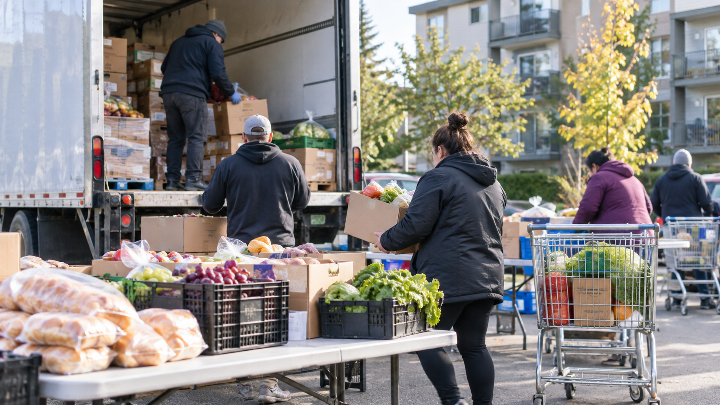
Metro Vancouver and the Food Link Society are delivering rescued groceries to 27 housing communities, including a Port Coquitlam complex where volunteers sort and distribute food every two weeks. Bread, potatoes, grapes, chicken and other food that might otherwise go to landfill are included in the hampers.
Food Link Society director Igor Bjelac said demand for the Free Food Program has increased every year since COVID-19, with tariffs adding to pressures on household budgets. When the program began in 2017, many users were refugees and newcomers to Canada; he now sees seniors, single mothers, students and working-class families struggling to make ends meet.
Statistics Canada reported that 33 per cent of Canadians said rising prices greatly affected their ability to manage day-to-day expenses in 2022. The figure rose to 45 per cent in 2024. Bjelac said roughly 11 million tonnes of food are wasted in Canada annually, though food with cosmetic damage can still be eaten, processed or sent to farms.
Metro Vancouver housing operations director Jag Klair said the program supports residents while preventing food from producing methane in landfill. About 580,000 pounds of food were distributed to Metro Vancouver families last year. Volunteers sort food and hand out hampers, and community gardens are also part of the initiative.
Metro Vancouver plans to bring the program to 35 housing complexes by the end of 2027. Bjelac said fuel and repair costs remain a challenge, but each dollar spent by the operation provides the equivalent of about $16 worth of food.