 Vancouver
METRO VANCOUVER NEWS
Super El Niño could deepen B.C. drought pressures in 2027, forecaster says
B.C.’s River Forecast Centre says a projected Super El Niño could bring another low-snowpack year in 2027 as drought and low river flows already affect much of the province.
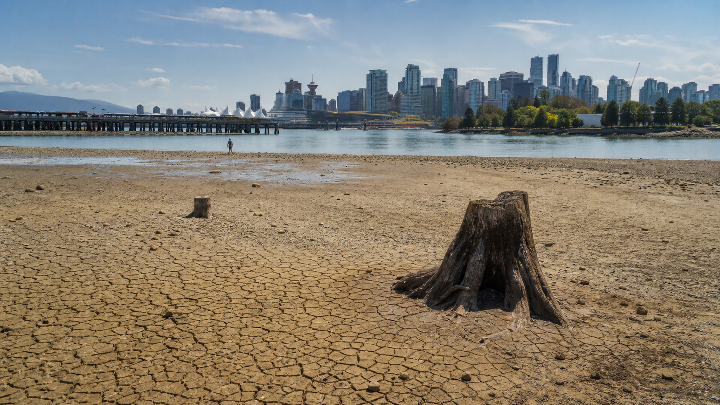
A projected Super El Niño could bring B.C. another year resembling, or potentially worse than, 2026’s poor snowpack and drought conditions, according to the head of the province’s River Forecast Centre.
Dave Campbell said El Niño events tend to bring warmer winter temperatures, particularly to southern B.C., increasing the likelihood of rain rather than snow. He said the expected event is unlikely to significantly shape summer 2026 weather, but could have longer-term effects into 2027. The 2015-16 strong El Niño brought benchmark low snowpack, especially on Vancouver Island, the South Coast and in the southern Interior.
June data showed markedly below-normal snowpack in B.C.’s Interior and South Coast. Earlier melt and a warm winter have added to drought conditions and water-supply concerns, while drying watersheds and making forests more vulnerable during wildfire season. Campbell said many provincial rivers are at record-low flows for this time of year.
The pressure may also affect salmon. UBC research found young salmon are more vulnerable to rising river temperatures than earlier measurements suggested. Researcher Scott G. Hinch said warm coastal water, limited food and predators associated with a Super El Niño could compound climate-related risks.
Agriculture and Food Minister Lana Popham said farmers face another difficult year of extreme weather. The province says it has invested $100 million in water-storage and supply projects in drought-prone areas and another $20 million in the Agriculture Water Infrastructure Program.