 Vancouver
METRO VANCOUVER NEWS
U.S.-Canada trade war could deepen pressures on B.C. businesses
Canada’s counter-tariffs on $27.6 billion in U.S. imports are raising supply and cost concerns for B.C. firms already coping with uncertainty.
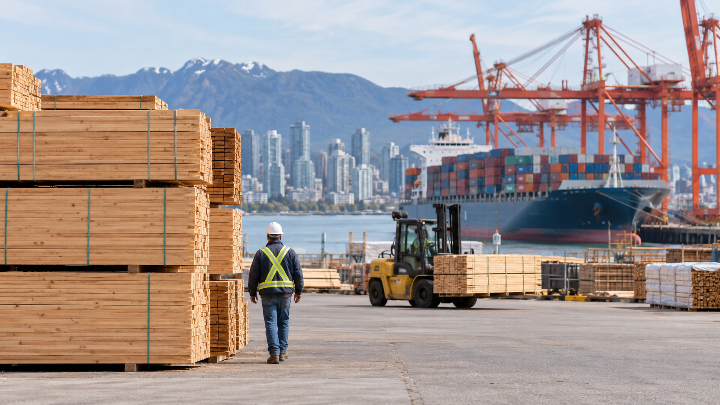
B.C. businesses are preparing for the latest escalation in the U.S.-Canada trade dispute after Canada’s counter-tariffs took effect on $27.6 billion in U.S. imports. The measure responds to U.S. tariffs imposed Aug. 22 on $27.6 billion in Canadian goods.
U.S. targeted tariffs on Canadian products are expected to directly affect B.C.’s softwood-lumber industry and could cost thousands of jobs. Canada’s counter-tariffs may reach a wider range of companies because many import products from the United States. Merchant Growth, a Canadian financing company, says about half of B.C. businesses have a U.S. connection through suppliers, customers or partners.
In a survey of B.C. small businesses conducted earlier this summer, Merchant Growth found 56 per cent had already cut spending, 50 per cent had raised prices and 31 per cent had delayed hiring. Chief growth officer Hash Aboulhosn said tariffs add to pressures from high interest rates, a declining housing market, earlier tariffs and the Middle East war’s effect on energy prices.
Counter-tariffs make U.S. imports more expensive and less competitive in Canada, Aboulhosn said. Businesses that had purchased a now-tariffed U.S. product will likely seek other suppliers. He said costs would not necessarily rise by 25 or 50 per cent; they would instead rise to the price of the next-cheapest or next-best alternative, which could create some inflation but likely not at the full counter-tariff rate.
Aboulhosn said U.S. action against Canada requires a response, arguing that no response would signal that Canada could be repeatedly mistreated. He said a possible benefit of the trade war is the push to find trading partners beyond the United States. Merchant Growth found 25 per cent of B.C. businesses had stopped working with U.S. suppliers and 19 per cent had moved to a Canadian or other non-U.S. supplier.
He said the economy is performing somewhat better than previously expected and forecasts have been revised upward. Since U.S. President Donald Trump first imposed sweeping tariffs on April 2, 2025, he said, most businesses have learned they need contingency plans and a buffer rather than relying on one source.