 Vancouver
METRO VANCOUVER NEWS
A salute to the remote control, the box that changed television viewing
From Zenith’s wired Lazy Bone to infrared devices, the remote control reshaped television schedules, channel surfing and the everyday battle for the clicker.
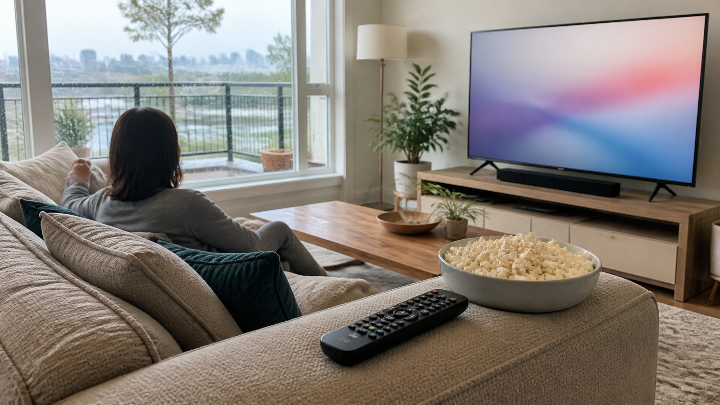
Before television remotes, changing channels meant getting up, walking to the television set and turning a dial. Zenith Electronics introduced the first TV remote, the wired Lazy Bone, in 1950, but people could trip over its cord.
Zenith followed five years later with the wireless Flash-Matic, which used light signals and had an appearance compared with a gun. Sunlight could trigger false signals and cause the television to change channels. The company’s Space Command, introduced the following year, used sound waves; the clicking produced by its early buttons gave rise to the term “clicker.”
Infrared remotes emerged in the 1980s, when cable television’s expanding number of channels made the device indispensable. David Bianculli, television critic for NPR’s Fresh Air and a professor at Rowan University in New Jersey, says losing a remote in couch cushions became as frantic as losing a phone today.
The device changed how television was scheduled and watched. Networks relied on program flow to keep viewers from switching channels, including CBS’s 1970s Saturday-night lineup from All in the Family to The Carol Burnett Show. NBC once promoted its Thursday lineup as “must-see TV.” Cable television also created the channel surfer, putting a premium on programming that could quickly catch a viewer’s eye.
Remotes have brought their own frustrations, from dead batteries and multiplying devices to disputes over who controls the clicker. As appliances increasingly respond to voice commands, remotes may eventually fade. Until then, the search continues. The late Zenith scientist Eugene Polley, considered a pioneer of wireless remote technology alongside Robert Adler, once extolled the remote’s importance in characteristically exuberant terms.