 Vancouver
METRO VANCOUVER NEWS
Partners and community celebrate completed Aqqusariaq recovery facility in Iqaluit
Aqqusariaq, a 24-bed addictions and trauma recovery centre in Iqaluit, has completed construction and is moving into operational preparations. It is not yet open to clients; an Inuit-led non-profit established by Nunavut Tunngavik Incorporated will staff the facility and finalize programming.
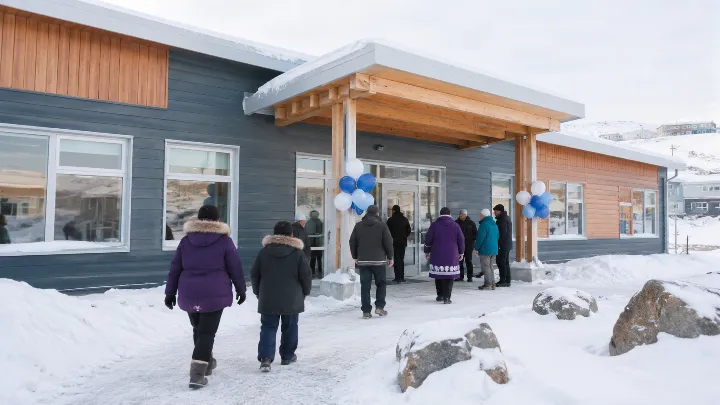
On Nov. 13, 2026, the Government of Nunavut’s Department of Health, Nunavut Tunngavik Incorporated (NTI) and Indigenous Services Canada (ISC) joined Elders, community members, project partners and invited guests in Iqaluit to celebrate Aqqusariaq. The gathering marked the completion of construction and the transition toward programming and operations. The 24-bed facility will offer inpatient and outpatient addictions and trauma recovery services, including counselling, on-the-land programming and aftercare for individuals and families. The event also recognized the people, committees and organizations whose knowledge, dedication and collaboration helped bring the project to life.
A special ceremony brought together territorial, Inuit and federal representatives. The Culture and Lived Experience Advisory Committee (CLEAC) symbolically handed the qulliq to the Inuit-led non-profit responsible for operating the centre. Community members also toured the facility and learned about the planning, design and cultural considerations that shaped it.
Guided by Inuit Qaujimajatuqangit, Elders, people with lived experience and community representatives, Aqqusariaq was designed to reflect Inuit culture, language and ways of life. Its artwork and gathering spaces, programming and connection to the land all reflect a commitment to a welcoming environment that supports healing, dignity and well-being.
The milestone follows years of work by the Department of Health, its committees and many partners. Aqqusariaq is not yet open to clients. Final preparations are underway before the Inuit-led non-profit established by NTI moves toward staffing the facility and finalizing its programs. Information about the opening and how to access services will be shared as operational preparations advance.
Nunavut Health Minister Janet Pitsiulaaq Brewster said the need for mental health and addictions care is deeply personal for many people, and that she knows the effects these challenges can have on patients and the family and friends they love. She said Aqqusariaq represents years of work to bring more healing options closer to home, rooted in language, culture and connection to the land. She thanked the Elders, CLEAC and all the partners who helped shape the centre, and said she hopes people who come there will feel understood and supported as they heal.
Gloria Uluqsi, president of NTI, said Inuit needing help with addictions and trauma have long had to leave Nunavut, often leaving behind family and support networks. Aqqusariaq, she said, is a step toward changing that. Inuit, including Elders and people with lived experience, shaped the facility to ensure healing is grounded in their language, culture and ways of life. She thanked everyone who worked over the years to make it possible and said NTI looks forward to the day it can welcome Nunavummiut who need these services.
Nunavut MP Lori Idlout, speaking on behalf of Indigenous Services Minister Mandy Gull-Masty, said the federal government is proud to support an Inuit-led approach to healing. She said ongoing partnership with the Government of Nunavut and NTI is helping lay the foundation for culturally appropriate care to support Nunavummiut’s health and well-being for generations, recognizing the importance of culture, language, family and connection to the land.
Aqqusariaq is an Inuktitut term for a trail people travel to reach their destination, symbolizing a recovery journey. The name was chosen by CLEAC, the Aqqusariaq Development Team and subject matter experts from across the territory.
Construction grew out of the long-running, tripartite Nunavut Partnership Table on Health, where NTI, the Government of Nunavut and ISC work together on shared health priorities. The Table’s leadership ensured Aqqusariaq was part of a system-wide, three-pillar approach.
ISC has provided more than $52.2 million to date for Aqqusariaq’s pre-capital design and planning, as well as construction. The Government of Nunavut received the first year of operating funding in 2025-26. Because of reprofiled funding, the total provided for 2025-26 only was $12,088,400. ISC’s ongoing contribution toward the centre’s operations is $9.7 million annually.