 Vancouver
METRO VANCOUVER NEWS
B.C. likely to see more rockfalls and landslides in coming years, expert says
A UNBC professor says thawing permafrost and retreating glaciers will raise risks in B.C., though a Nepal-scale disaster is unlikely here.
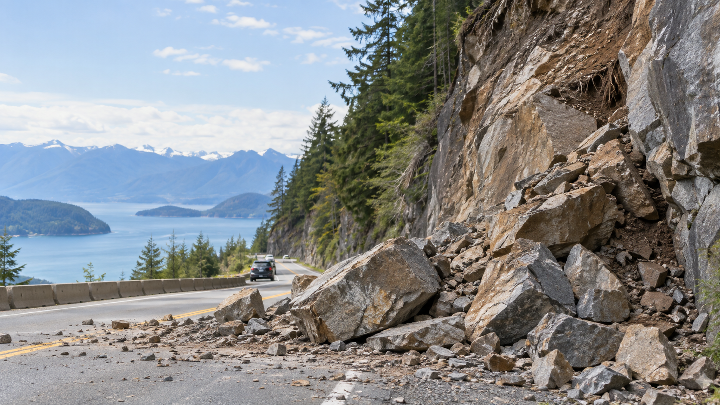
British Columbia is likely to see more frequent rockfalls and landslides as warming thaws permafrost and glaciers retreat, according to Joseph Shea, a professor of environmental geomatics at the University of Northern British Columbia. Shea said B.C. is unlikely to experience an event comparable to last month’s flash flood at the Nepal-Tibet border, which killed more than 1,000 people.
Shea said the Nepal flood was caused by a landslide and an ice avalanche after a large part of a glacier collapsed. In the steep Himalayas, friction from the falling glacier rapidly melted ice and snow, sending water, mud and rock through narrow valleys and building a destructive flood wave.
B.C. has different topography and factors affecting glacier collapse and large landslides, Shea said. The Himalayas are younger, taller and more unstable than B.C.’s mountains. Still, B.C. permafrost is thawing as the climate warms. Shea described permafrost as a material that helps hold mountain rock together, and said its loss can make slopes more prone to failure.
He said the 2010 Mount Meager landslide, the 2020 Elliot Creek landslide and the Whistler rockfall earlier this year could possibly be linked to thawing permafrost. Retreating glaciers also leave behind steeper, less stable slopes. Shea said reducing greenhouse-gas emissions requires a global effort, but glacier retreat will continue even if emissions stopped today because glaciers are out of equilibrium with the current climate and warming continues.