 Vancouver
METRO VANCOUVER NEWS
B.C. Conservative government vows to repeal DRIPA and rules out a similar law
Premier Lorne Doerkson says legislation to repeal B.C.’s Declaration on the Rights of Indigenous Peoples Act is expected in spring 2027, with no similar replacement planned. First Nations leaders have urged the government to keep the law as debate continues over its effects on decision-making and Indigenous rights.
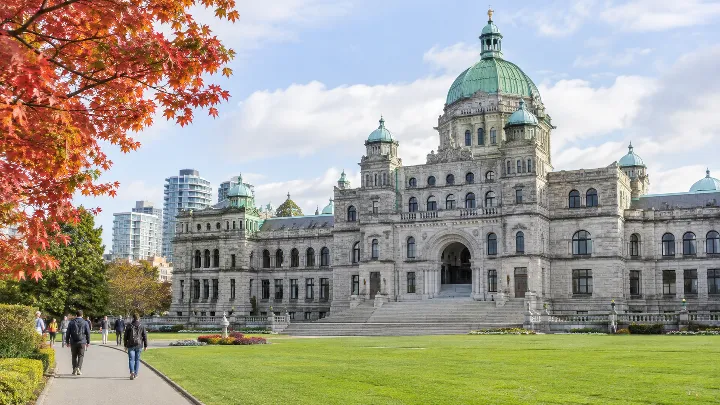
Premier Lorne Doerkson says his Conservative government is determined to repeal the BC NDP’s Declaration on the Rights of Indigenous Peoples Act (DRIPA) and has no plans for a similar replacement. The position renews the party’s provincial election pledge and reflects the Conservatives’ stance over the past year. Repeal legislation is expected in spring 2027, at the first sitting of the legislature after last month’s election. A brief fall 2026 sitting was ruled out this week.
After Doerkson and his cabinet were sworn in on Nov. 20, reporters asked what he would say to First Nations leaders who oppose repeal. He said the law had not resolved disputes that continue to end up in court. He pointed to businesses run by First Nations in his Cariboo-Chilcotin riding and said First Nations he had met wanted to build stronger community economies. He described the way forward as “genuine conversation, respect, and partnerships” with First Nations.
Doerkson said he had met with several First Nations across the province and was firmly committed to repeal because DRIPA had not solved the problems. He noted that several nations were represented at the swearing-in ceremony and said genuine conversation, respect and partnerships with First Nations would help resolve them. He also said many of his conversations focused on what communities were building, including a better path forward and economies for First Nations people and other residents. He said successful work in regions across the province should be celebrated. Asked whether a new law would mirror DRIPA in some way, he ruled that out and said there was “nothing else lurking here.”
The appointment of Caroline Elliott as B.C.’s new attorney general places a prominent critic of the former BC NDP government’s approach to land use, reconciliation and First Nations relations in a key role shaping the repeal. Elliott, the MLA for West Vancouver-Capilano, has argued the provincial government gave up too much authority and compromised the collective public good in the name of reconciliation.
Scott McInnis, the new minister of Indigenous Relations and Reconciliation and MLA for Columbia River-Revelstoke, began calling for DRIPA’s repeal nearly a year ago while serving as the opposition critic for the ministry. He now faces the task of building the partnerships Doerkson has promised with First Nations leaders who want the law to remain.
The First Nations Leadership Council has urged Doerkson to keep DRIPA. In a statement shortly after the election, it said it was ready to work with the Conservatives and argued the law gives the provincial government and First Nations a clearer way to make decisions that respect existing rights. After the election, Grand Chief Stewart Phillip, president of the Union of British Columbia Chiefs, said Doerkson’s repeal plan would amount to a “declaration of war.”
The B.C. legislature passed DRIPA unanimously in November 2019. It requires the provincial government to work with Indigenous communities to bring all B.C. laws into line with the United Nations Declaration on the Rights of Indigenous Peoples (UNDRIP). The law also allows the province to reach agreements with Indigenous governments on specific decisions. B.C. is the only Canadian province with a provincial law requiring government to work with Indigenous peoples to ensure provincial laws follow UNDRIP.
Debate over DRIPA intensified after a December 2025 B.C. Court of Appeal ruling. In a case involving mineral claims, the court found that B.C.’s former system for registering claims without first consulting affected First Nations was inconsistent with UNDRIP. The ruling also established that courts can declare a provincial law inconsistent with UNDRIP, although the law remains in force. The provincial government’s appeal is now before the Supreme Court of Canada.
The Conservatives and other critics say the ruling gives judges too much influence over decisions they believe elected officials should make. David Eby’s former BC NDP government agreed with that criticism but later backed away from changes to DRIPA. The Conservatives, businesses, industry groups and some municipal governments have also raised concerns that keeping the law creates uncertainty for businesses and communities, discourages investment and makes companies more hesitant to proceed with projects. Some critics say courts have too much influence over decisions they believe should rest with elected representatives.