 Vancouver
METRO VANCOUVER NEWS
Lorne Doerkson becomes B.C.’s 38th premier and announces cabinet positions
Lorne Doerkson was sworn in as B.C.’s 38th premier Friday morning as his cabinet took office. The Conservatives formed the province’s first Conservative government since 1928 and released its cabinet roster and five priorities.
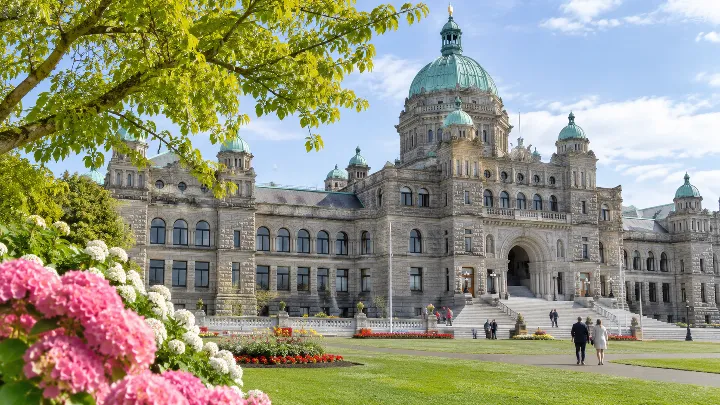
Lorne Doerkson became B.C.’s 38th premier Friday morning as his cabinet was sworn in. The 63 Conservative MLAs took their oaths of office the previous day. The party is forming B.C.’s first Conservative government since 1928. Its caucus is so large that members had to be sworn in over two rounds. Speaking Thursday, Doerkson said the new government must deliver on its promises and that caucus members need to represent their constituents proudly and loudly.
Nearly half of the Conservative caucus is new to the legislature, and only one member has previously held a cabinet position. Elections BC’s official seat count is 64 Conservatives, 27 NDP members and two Greens. Judicial recounts will be held in two ridings, one won by a Conservative and the other by a New Democrat, where each victory was by fewer than 50 votes.
The cabinet positions are: Premier, Lorne Doerkson; Minister of Agriculture, Ian Paton; Attorney General, Caroline Elliott; Minister of Children and Family Development, Kristina Loewen; Minister of Citizens’ Services and Technology, Bruce Banman; Minister of Economic Development and Tourism, Gavin Dew; Minister of State for Red Tape Reduction, Carson Binda; Minister of State for Rural Development, Anna Kindy; Minister of Education and Child Care, Lynne Block; Minister of Energy, Mines and Petroleum Resources, Larry Neufeld; Minister of State for Mining, Pete Davis; Minister of Environment, Áʼa:líya Warbus; Minister of Finance, Peter Milobar; Minister of Forests, Kiel Giddens; Minister of Health, Ryan Peterson; Minister of Indigenous Relations and Reconciliation, Scott McInnis; Minister of Local Government, Housing, Sport and Culture, Cathie Ounsted; Minister of State for Housing, Zeeshan Wahla; Minister of Post-Secondary Education and Labour, Korky Neufeld; Minister of State for Labour, Harman Bhangu; Minister of Public Safety and Solicitor General, Jessy Sahota; Minister of State for Emergency Management, Ward Stamer; Minister of Social Development and Deputy Premier, Claire Rattée; Minister of Transportation and Infrastructure, Trevor Halford; and Minister of Water, Land and Natural Resource Operations, Donegal Wilson.
According to a government release, the cabinet has five priorities: an affordable B.C., through tax relief, lower costs, more attainable housing and restored fiscal discipline; a prosperous B.C., by restoring investor confidence, responsibly developing provincial resources, strengthening industries and trade, and creating good jobs; a healthy B.C., by protecting universal health care while improving access to care, treatment, recovery and support; a safer B.C., by strengthening policing and justice, supporting victims, and preparing communities for wildfires, floods and other emergencies; and a strong and proud B.C., by strengthening education and families, protecting freedoms and the environment, advancing reconciliation and economic partnerships with First Nations, and standing up for the province.
The parliamentary secretaries are: Armed Forces and Veterans Affairs, Rosalyn Bird; Children and Youth with Special Needs, Margareta Dovgal; Insurance Corporation of British Columbia, Steve Kooner; Infrastructure, Misty Van Popta; Metro Vancouver, Megan Knight; Rural Health, Tracy St. Claire; Seniors, Sharon Hartwell; Sport and Culture, Mandeep Dhaliwal; Technology and Innovation, Sacha Peter; Tourism, Jody Toor; TransLink, Harj Dhaliwal; and Urban Policing, Bryan Tepper.
“British Columbians have given us an extraordinary responsibility,” Doerkson said in a release. He said the five priorities would guide the government’s choices and that its job was to earn people’s trust every day by delivering results and governing for everyone.