 Vancouver
METRO VANCOUVER NEWS
B.C. and Washington State launch cross-border crime initiative
A forum in Esquimalt brought together senior officials as B.C. announced a toxic-drug tracking pilot and renewed enforcement co-operation with Washington.
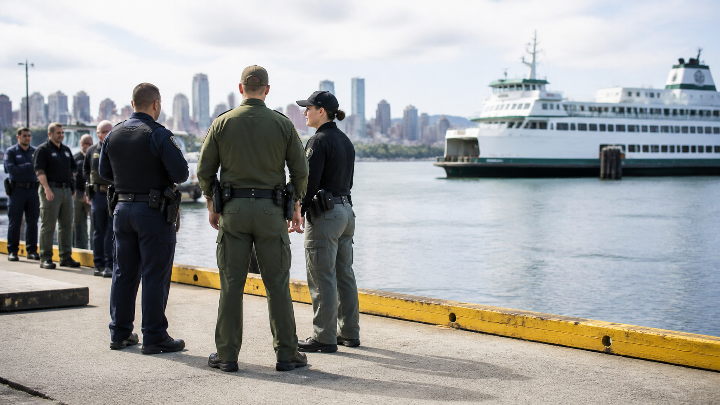
British Columbia is partnering with Washington State on a cross-border crime initiative following the annual Pacific Region Cross-Border Law Enforcement Forum in Esquimalt on Sept. 1. The forum brought together senior law-enforcement officials and experts to share information and best practices.
B.C. Public Safety Minister Nina Krieger said crime does not respect borders and that co-operation with Washington State law enforcement can help tackle offenders more effectively. She said the longstanding partnership is addressing organized crime, extortion and the illicit drug trade affecting people and businesses in B.C. communities. The Ministry of Public Safety said participants also shared public-safety lessons from Vancouver and Seattle related to the FIFA World Cup.
Washington State Patrol Chief John R. Batiste said law-enforcement professionals in Washington and B.C. work together year-round and that the gatherings help them prepare for changing challenges. RCMP Assistant Commissioner and acting commanding officer John Brewer said sharing intelligence and co-ordinating enforcement with the Washington State Patrol and other agencies is intended to disrupt criminal activity wherever it occurs. The ministry said cross-border co-operation has helped weaken extortion networks; border runners were arrested in Abbotsford last year.
B.C. also announced Track and Trace, a pilot related to the toxic-drug crisis that uses digital technology and laboratory robotics to analyze and track the movement of toxic drugs. The ministry said the approach can support early-warning systems alerting people to increased danger from illicit drugs in their area.
The announcement comes as travel from B.C. to Washington State and the United States has declined amid Canada-U.S. geopolitical tensions. A Bellingham report found 91 per cent of respondents said the decline had harmed food and beverage businesses, with 64 per cent concerned about survival. In retail, 85 per cent reported harm and 60 per cent were concerned about survival; 63 per cent strongly agreed Canadian visitors benefit their business, while 57 per cent strongly agreed the visitor decline was damaging.