 Vancouver
METRO VANCOUVER NEWS
U.S. border agents may search Canadian travellers’ cellphones without suspicion, court ruling confirms
A U.S. appeals court ruling says border officials may search travellers’ cellphones without a warrant or reasonable suspicion, prompting renewed travel advice for Canadians.
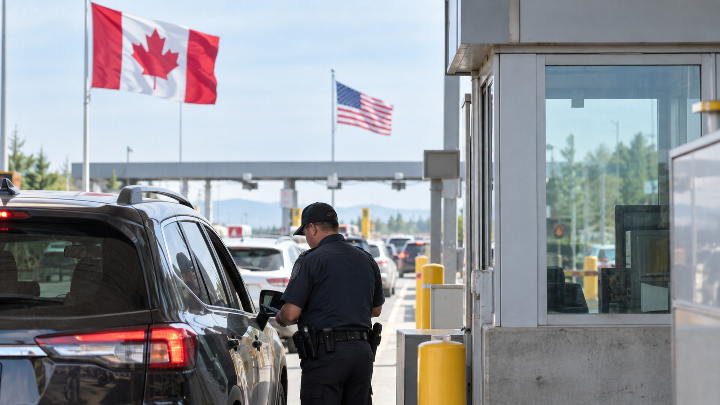
A Sept. 17 ruling from the U.S. Court of Appeals for the Second Circuit found that the government needs no suspicion before searching a traveller’s cellphone at the border. The decision arose from the case of permanent resident Chinwendu Alisigwe, who was convicted of fraud offences for using real people’s identities to open bank accounts.
Alisigwe argued that evidence from two cellphone searches at John F. Kennedy International Airport should have been excluded because the searches violated his Fourth Amendment protection against unreasonable searches and seizures. The court rejected that argument. U.S. immigration lawyer Scott Railton said the ruling is significant because it confirms that border guards do not need reasonable suspicion to search cellphones.
Railton said the court treated cellphones as property rather than as the subject of an invasive search. He contrasted this with an invasive search of a person, such as a body-cavity search. The ruling is binding at crossings within the Second Circuit, which covers Connecticut, New York and Vermont, including JFK. Railton said prosecutors in other jurisdictions, including the Ninth Circuit, which covers Washington, could also cite the decision to support a search.
U.S. border officers can ask travellers for access to their smartphones and view their contents without a warrant or reasonable suspicion. That may include sensitive photos, documents and text messages. Canada’s U.S. travel advisory says officers may request passwords, fingerprints or other biometric data, including facial recognition. Travellers who do not co-operate may be refused entry, detained until deportation and have their devices seized.
Canada advises travellers to put devices in airplane mode before crossing so remote files are not downloaded. The U.S. Department of Homeland Security is proposing changes to its Electronic System for Travel Authorization program that would require up to five years of social-media history, family members’ birthplaces and email addresses used in the previous decade.
Statistics Canada’s latest data show U.S. travel accounted for three-quarters of Canadians returning from abroad in 2024, falling to two-thirds in 2025. Travellers departing Canada for the United States can submit passport and customs-declaration information before leaving through a free, secure smartphone app. U.S. Customs and Border Protection’s Mobile Passport Control app is available at 44 sites, including 32 international U.S. airports, eight Canadian preclearance locations and four seaports of entry.