 Vancouver
METRO VANCOUVER NEWS
B.C. Conservatives assign housing roles to two ministers as NDP and Greens criticize cabinet shakeup
Premier Lorne Doerkson assigned housing duties to Cathie Ounsted and Zeeshan Wahla after expanding the ministry to include sport and culture. The NDP and Greens criticized the shakeup. Doerkson said he would work with Ottawa to build homes.
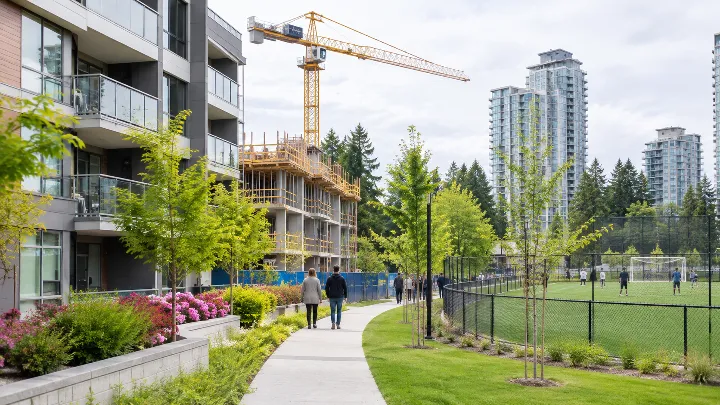
Premier Lorne Doerkson has expanded the Ministry of Housing and Municipal Affairs to include sport and culture, prompting criticism from both opposition parties over the attention housing affordability and supply will receive. His first cabinet has 18 ministers and six ministers of state, with two ministers now holding housing responsibilities.
At the Nov. 20 swearing-in ceremony, Doerkson appointed Saanich South MLA Cathie Ounsted, a former Central Saanich councillor, to lead the renamed Ministry of Local Government, Housing, Sport and Culture. Ounsted is responsible for BC Housing and the Residential Tenancy Act, which sets out tenants’ and landlords’ rights and responsibilities. Her ministry also takes over arts, culture and sport, and the premier’s former role in consultations with local governments and the Union of B.C. Municipalities. Tourism has moved to the Ministry of Economic Development and Tourism, formerly the Ministry of Jobs and Economic Growth, and is not Ounsted’s responsibility.
Surrey City Centre MLA Zeeshan Wahla, an engineer who runs a consulting firm, was named Minister of State for Housing to supplement Ounsted’s work.
A cabinet order filed the previous day transferred the Disaster Resilience and Innovation Funding program, which supports climate readiness and disaster preparedness, mitigation and adaptation, to the renamed ministry. The order formally continues the former ministry under its new name.
Interim BC NDP Leader Jennifer Whiteside called the change “the elimination of the Ministry of Housing” and said she fears it is the first step toward dismantling her party’s previous housing strategies. She credited the former BC NDP government’s policies with making more homes available, easing pressure on sale prices and steadily bringing down rents. Whiteside said housing affordability is a generational challenge and British Columbians deserve a government that works to address it rather than abdicate its responsibility. She also said the BC NDP housing plan had opened up homes, moderated prices and steadily reduced rents.
BC Green Leader Emily Lowan said housing and labour had both lost standing in cabinet while households struggle with rent and mortgage payments. She described the province as facing a severe affordability crisis and the worst housing crisis in a generation. Lowan said she was concerned about the message the change sends to people facing high rents and mortgages, and to workers who need strong union protections as they brace for the effects of AI on jobs.
Asked after the ceremony why he had expanded the housing ministry’s responsibilities, Doerkson said housing was among the ministries he had intended to combine and that he would work with the federal government to build homes. He said the government was committed to cutting red tape and expenses, and had repeatedly promised to bolster front-line support for health care, police and other important services.
A policy question for Ounsted is how much authority municipal governments will regain over what gets built. The B.C. Conservatives have promised to reverse at least some of the previous BC NDP government’s housing legislation. Doerkson has vowed to end provincial Housing Supply Targets for individual municipalities and give communities more control over where higher-density housing is allowed. He has also pledged to repeal Bill 44, which enables small-scale, multi-unit housing on single-family lots.
Many municipalities opposed the BC NDP housing legislation but ultimately amended their zoning bylaws, reluctantly, to comply. They argued the provincial rules reduced elected municipal officials’ say over development and gave residents fewer chances to weigh in. Those concerns helped fuel calls for change in last month’s provincial and municipal elections. In Metro Vancouver, 14 of the region’s 21 municipalities elected new mayors.
Housing has shifted within cabinet several times. David Eby’s BC NDP-led government created a standalone Ministry of Housing in December 2022 and combined it with the Ministry of Municipal Affairs in November 2024. Before becoming party leader and premier, Eby served simultaneously as attorney general and minister responsible for housing, succeeding Minister of Housing and Municipal Affairs Selina Robinson.