 Vancouver
METRO VANCOUVER NEWS
Metro Vancouver Regional District defends its services as B.C. Conservatives call for narrower responsibilities
The regional district says non-utility services account for less than eight per cent of its operating budget and points to cost reductions, governance reforms and an independent review of the North Shore wastewater project.
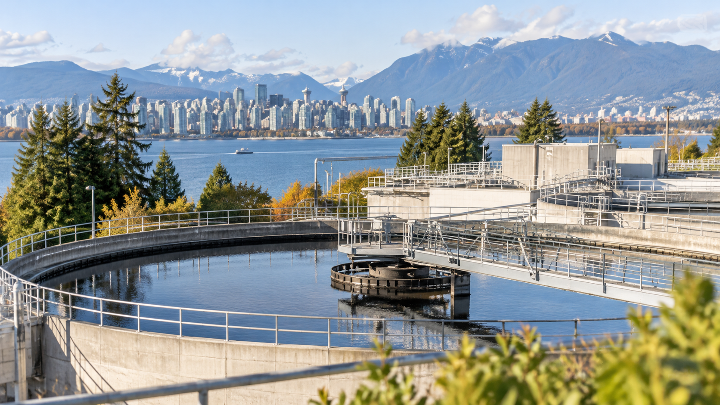
The Metro Vancouver Regional District is rejecting the B.C. Conservatives’ case for removing several of its responsibilities. It says election-season criticism overlooks recent spending reductions, governance and structural changes underway, and an independent review already launched into the troubled North Shore Wastewater Treatment Plant project.
“The services provided by Metro Vancouver are an essential part of what makes this region healthy,” board chair Mike Hurley, who is also mayor of Burnaby, said in a statement to Daily Hive Urbanized. He said many candidates had recently targeted the regional district with outdated or untrue information, adding that claims it is out of control use the organization as a political punching bag to attract attention.
The Conservatives announced their platform on Oct. 5, pledging to transfer responsibilities for housing, economic development, air quality and climate policy to Metro Vancouver municipalities and the provincial government. Ahead of the Oct. 24 provincial election, the party argues those activities overlap with other governments’ work and wants the regional government to focus only on building and operating the region’s bulk safe drinking water supply and sewage treatment utilities.
The regional district disputes that its services duplicate work done elsewhere. It says the overwhelming majority of its operating budget goes to drinking water and sewage treatment utilities, while less than eight per cent funds non-utility services, including regional planning, air quality, regional parks, housing and Invest Vancouver.
Hurley, who is seeking re-election in Burnaby’s Oct. 17 civic election, said operating cost increases have remained within inflation for years, measured against the Consumer Price Index. He argued that board decisions made since 2023 would save ratepayers billions of dollars over the coming decade. The regional district also cited a recent reduction in the estimated cost of overhauling the Iona Island Wastewater Treatment Plant, from $9.9 billion to $6 billion. The revised estimate reflects a smaller, phased project that includes upgrades to the existing plant and postpones some work.
The district says it has completed 24 of the 47 governance reform recommendations in a May 2025 report by consulting firm Deloitte. Shrinking the board still requires the provincial government to amend legislation. The smaller board would continue to include selected mayors and city councillors from Metro Vancouver’s 21 municipalities, as well as members representing other jurisdictions.
The regional district says regional cooperation helps municipalities coordinate housing and infrastructure, address air pollution and protect natural areas more effectively than they could individually. It says Invest Vancouver, its relatively new agency for attracting investment and economic development, helps the region compete with Toronto and Montreal for investment and jobs. Work is underway to make the agency independent of the regional district, rather than an in-house department.
The district describes the Metro Vancouver Housing Corporation’s ongoing operations as costing taxpayers nothing because they are financed almost entirely by tenants’ rents. Capital funding for new housing developments is separate and comes from the regional district and other entities, including other levels of government.
The North Shore Wastewater Project’s construction budget has risen from $700 million to $3.9 billion, and its timeline has been extended by a decade. The regional district commissioned an independent review and is examining the cost increases and oversight; findings are expected by January 2027. It has argued that another review would be an unnecessary cost to taxpayers.
Earlier this year, Linda Buchanan, mayor of the City of North Vancouver, and Mike Little, mayor of the District of North Vancouver, called on the provincial government to commission an independent inquiry into the project and a broader review of how the regional district manages its multibillion-dollar capital projects. Their municipalities are among those most affected by the cost increases and resulting pressure on household bills.