 Vancouver
METRO VANCOUVER NEWS
Richmond teacher and Musqueam descendant call for Garry Point longhouse history to be taught
W.D. Ferris teacher Tanya Blumel and YVR Indigenous relations director Mary Point say more public information and cultural learning could help residents and visitors understand Musqueam history at Garry Point.
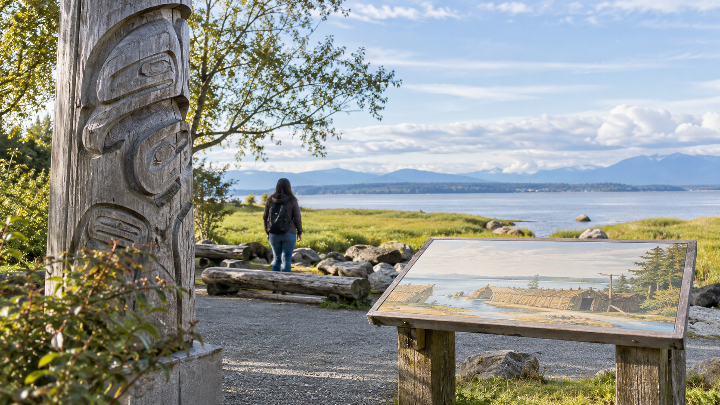
As Truth and Reconciliation Day is marked on Wednesday, Sept. 30, Richmond teacher Tanya Blumel and Musqueam descendant Mary Point are calling for more stories about the Indigenous history of Garry Point Park. Blumel, a teacher at W.D. Ferris Elementary, said she was walking near Scotch Pond when she realized there was little to tell visitors that Musqueam families had once lived there. She recalled learning about the longhouses, but said a 25-year-old who was born and raised in Richmond and attended public schools knew nothing about them. “They had no idea there used to be longhouses at Garry Point,” Blumel said. “I thought something needs to change.”
Blumel said the land was always unceded territory and Musqueam families lived at Garry Point. Although work on truth and reconciliation has been underway for a long time, she said few people know this history and it feels wrong that it remains hidden or erased in 2026. Steveston’s cannery and fishing heritage is widely documented, she said, but there is less recognition that Musqueam and First Nations people were the river’s first fishers. “Why are we not sharing that? It should not just be a footnote to the whole cannery.” Students and visitors need to learn the history of the place where they live, grow up and explore, she said. “It’s the foundation of where we live. If you don’t know the truth in the first place, you can’t really work towards reconciliation.”
Each year, Blumel’s class begins by learning about Turtle Island and pre-contact history before moving on to Orange Shirt Day. She said students have many questions about Indigenous history, residential schools, racism and why such things were allowed to happen. The history resonates with them because it involves children their own age, she said.
For Point, YVR’s director of Indigenous relations, Garry Point is family history. Her family primarily lived in the Musqueam village of q̓ʷeyaʔχʷ, on the land now called Garry Point. Point said colonial rule rewrote her family’s identity. They became known as “the Indians from the Point” because their place had been renamed Garry Point in Steveston, she said. When the family was required to take a legal surname, it became Point. “So many impacts of change on all of us,” she said.
Part of the family story is told at Point House at the Britannia Shipyards, next to the Chinese bunkhouse where photographs of her great-grandfather are displayed, Point said. Walking through Garry Point or along Steveston’s boardwalk feels like moving through memories. She said she feels connected to the place because she is looking at the same views her ancestors saw, which gives her comfort. She also described how her father and his siblings were taken to St. Paul’s Residential School and separated from her grandparents.
That history shapes how Point sees her grandchildren’s lives and how important it is to spend time with them walking along the shore, learning plant names and some of the language that was banned for her father. She is glad her father came home, she said, because otherwise she would not be here. She is also glad the family knows what happened so they can help ensure their grandchildren and those who come after them will be all right.
Blumel said she would like to see more educational signs or event structures where a Musqueam longhouse once stood at Garry Point. Her suggestions to the Richmond News included adding historical information throughout Garry Point Park about its history as q̓ʷeyaʔχʷ, formally recognizing the sacred burial site near Scotch Pond, and rebuilding a traditional longhouse as a living cultural and educational landmark. She said such an initiative would be an invaluable educational resource for Richmond students, residents and visitors, while honouring Indigenous peoples’ enduring history and legacy in the community. Blumel imagines elders and knowledge keepers teaching on site, but said some Musqueam sites are deliberately left unmarked to prevent vandalism.
Point said longhouses were family homes where Musqueam people shared teachings and history and children learned. The longhouses were removed and newcomers arrived, she said, but memories of the land remain. Point said she was very happy to hear of Blumel’s suggestions, including rebuilding a longhouse. “It would be wonderful to have a reminder of where those were, and maybe have a museum exhibit that would allow people to see how we lived,” she said. “We’re walking together. We’re learning together. We have one heart and one mind. For me, that’s real reconciliation.”
Point’s message to Richmond students is that Musqueam spirit remains in the land, earth and water. “We’ve always been here, but we’re here together. It’s all part of this place we collectively call our home,” she said. Truth and Reconciliation Day is a time to share culture and remember that newcomers came and wanted to change everything, she said, “but we’re still here and we’re still true to who we are.”