 Vancouver
METRO VANCOUVER NEWS
Ontario appeal court clears way for Toronto bike-lane removals
Ontario’s top court has overturned a ruling that blocked the province from removing protected Toronto bike lanes, finding the Charter does not require governments to create or maintain them.
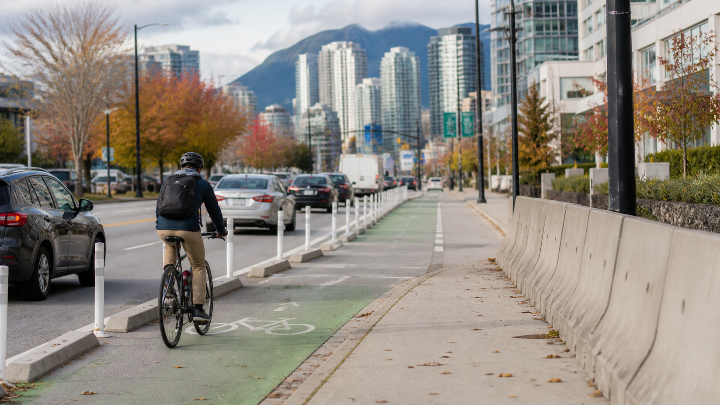
The Court of Appeal for Ontario has overturned a lower-court ruling that had blocked the provincial government from removing protected bike lanes on several major Toronto streets. The unanimous decision clears a major legal obstacle to Premier Doug Ford’s plan involving Bloor Street, University Avenue and Yonge Street.
The dispute stems from the province’s 2024 Reducing Gridlock, Saving You Time Act, which directed Transportation Minister Prabmeet Sarkaria to remove the lanes. Cycle Toronto and two cyclists challenged the law under Section 7 of the Canadian Charter of Rights and Freedoms.
In July 2025, Ontario Superior Court Justice Paul Schabas found that removing physical separation between cyclists and vehicles would raise the risk of collisions, injuries and deaths. He also accepted evidence that converting the space to vehicle lanes might not reduce congestion, and ruled the legislation unconstitutional.
The appeal court rejected that analysis, finding there is no Charter right to bicycle lanes. It said elected governments may reverse policies not required by the Constitution and that courts are not to decide whether a transportation policy is wise or effective. The court found a rational connection between adding vehicle lanes and seeking at least temporary congestion relief.
The panel said evidence about induced demand addressed the policy’s possible long-term effectiveness, not whether the legislation was legally arbitrary. It also found the lower court’s assessment of whether the potential safety consequences were grossly disproportionate to the law’s purpose set too low a threshold.
The ruling does not determine whether removing protected bike lanes is good transportation policy or whether it will reduce congestion. Cycle Toronto and the two cyclists may seek leave to appeal to the Supreme Court of Canada, while both sides have 21 days to make submissions on costs. Alberta Transportation Minister Devin Dreeshen said Alberta is developing bike-lane legislation and will review the Ontario decision; Ontario’s ruling is not binding on Alberta courts, though it could be considered in a similar case.