 Vancouver
METRO VANCOUVER NEWS
NASA mission studies B.C. wildfires and fire-generated weather
NASA aircraft are flying over B.C. to study how large fires can loft smoke high into the atmosphere and generate severe weather.
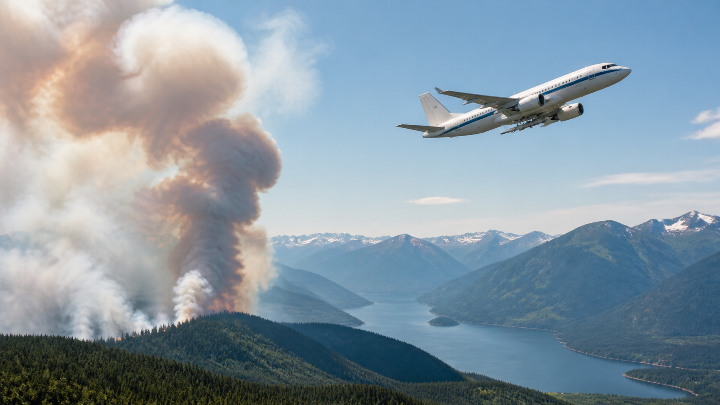
NASA aircraft have been flying over British Columbia as part of the INSPYRE project, which is examining how increasingly large and intense wildfires can drive smoke into the stratosphere and affect Earth’s radiative balance.
Principal investigator Dr. David Peterson said B.C. is a major location for the research because some of the largest recorded fire-generated storm events have occurred there. NASA’s ER-2 flew over the Pear Lake wildfire at roughly 60,000 feet, while the mission also uses a Gulfstream V platform.
Peterson described the ER-2 as a steerable satellite: its instruments can measure a fire at 50-metre resolution, allowing repeated passes every 15 to 20 minutes. The observations can show fire spread, changing heat and plume growth, including conditions that may lead to thunderstorms.
Wildfires can create severe weather when hot air rises into a moist, unstable layer of the atmosphere. That can produce thunderstorms, erratic winds near a fire and, in some cases, fire-generated tornadoes. Peterson said the B.C. flights are the first of their kind in the province or Canada and are expected to continue through mid-September.