 Vancouver
METRO VANCOUVER NEWS
Langley City to improve access to help for community safety concerns
Langley City plans a new Community Safety department and a one-stop City Hall approach to help residents raise neighbourhood concerns involving multiple departments or community partners.
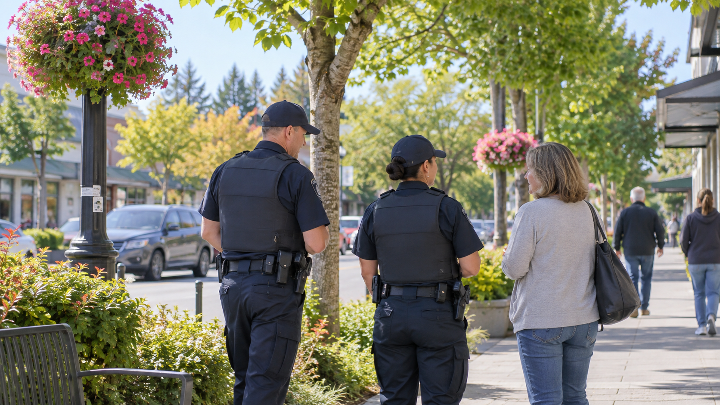
Langley City is changing how residents can seek help with neighbourhood and community safety concerns, with a clearer one-stop approach at City Hall and a new Community Safety department. The city says the changes are intended to reduce back-and-forth for residents and improve coordination when concerns involve multiple city departments or community partners.
The changes respond to recommendations from the Citizens’ Assembly on Community Safety and Well-being, which called for a more coordinated, prevention-focused approach. Mayor Nathan Pachal said residents should have a clearer way to bring concerns to City Hall and greater confidence that complex safety and well-being issues are being addressed by the appropriate people.
Bylaw staff will move into Community Safety Officer roles. They will continue bylaw and parking responsibilities while placing greater emphasis on prevention, early engagement, education, de-escalation and connections to services. A resident who notices an abandoned home, for example, will be able to raise the issue through one city contact point rather than determine which department to contact; the city will coordinate internally to direct it to the appropriate team or community partner.
Early transition steps are planned for 2026, while additional training, tools and supporting systems will continue into 2027. The city expects the one-stop approach to take shape through 2027 as it coordinates internally, refines processes and connects issues with the appropriate departments or community partners. Existing city service channels will remain available during the transition.
Citizens’ Assembly member Adam Larsen said the recommendation began as a call for more uniformed officer presence before evolving, through discussion and consensus, into a broader approach focused on prevention, visibility and community safety. Member Jenn Calado said it combines targeted strategies at hot-spot locations with prevention and community-led initiatives, seeking to improve safety and perceptions of safety in public spaces without increased over-surveillance or stigma.