 Vancouver
METRO VANCOUVER NEWS
Pitt Meadows Museum receives archives of citizens’ fight to protect the Polder
Former society head Annette LeBox donated eight binders documenting the group’s opposition to a proposed housing development and its work to protect local wetlands and farmland.
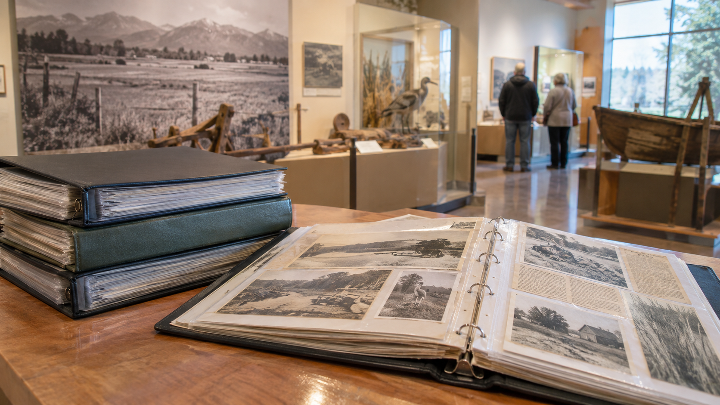
Former Pitt Polder Preservation Society head Annette LeBox has donated eight binders to the Pitt Meadows Museum. The binders contain newspaper clippings, photographs and other records of the now-dissolved society’s efforts to stop the Swaneset development, preserve Blaney Bog and protect the bog and Codd Island Wetlands from the effects of cranberry farming. They also include transcripts of the second Swaneset public hearing, prepared by former society member Bunny Perno-Horne, a former court reporter. The work took her 69 hours.
Museum and Archives curator Keagan Nagy plans to have summer students scan the binders next year so researchers can access the material. LeBox said she began saving newspaper articles and letters because she knew the group was making history. She made the donation now because many people who took part in the hearings and protests have since died, including her husband, Michael Sather, and she did not want their names forgotten. Perno-Horne said most people living in Pitt Meadows today have no idea how divisive the issue was.
The society formed in 1996 after Skylark, a Japanese-owned company that owned Swaneset Bay Resort & Country Club, proposed a development 13 kilometres from Pitt Meadows town centre. The plan included 450 homes, townhouses, business retreat units, a hotel and an equestrian centre. Society members wanted to protect the Pitt Polder, a large area north of Pitt Meadows and Maple Ridge. LeBox said they did not oppose the proposed recreational development, but opposed the housing, which the society argued would harm the area’s ecology and set a precedent for further development in the Polder. The proposed site was not in the Agricultural Land Reserve.
The first public hearing was held in July 1997. As Pitt Meadows council tried to advance the proposal, Concerned Citizens of Pitt Meadows, led by Chad Whyte and supported by the society, gathered signatures for a Referendum Bylaw. It required signatures from 15 per cent of eligible voters. LeBox said the group collected signatures from 45 per cent of eligible voters in less than three weeks, but council called an emergency meeting and declared the bylaw illegal. Swaneset withdrew its application.
In May 1998, council repealed the Referendum Bylaw. Society members and other protesters then carried a flower-adorned coffin down Harris Road with signs reading “Death of Democracy” and entered council chambers to protest. LeBox laughed as she recalled the day. In October, Swaneset submitted a second proposal with 250 homes, down from 450. At a public hearing in March 1999, the society videotaped proceedings, which Perno-Horne transcribed into two binders.
After council approved the proposal in May 1999, the society went to the B.C. Supreme Court, arguing that the public hearing process was flawed because relevant information had not all been made available to the public. Its application for judicial review was initially rejected. The society appealed in September 1999 and won, halting the development in June 2000. LeBox believes the area would be a city by now, rather than farmland, had the society lost. The society dissolved on Dec. 4, 2014. LeBox said its binders and archives preserve letters and articles from The Times and The News from 1996 to 2004 and beyond, documenting the history of Pitt Meadows and Maple Ridge and the citizens who spoke up about development around farmland. Perno-Horne said the history shows that even a small group of people brought together by a shared concern can have a positive effect on a community.