 Vancouver
METRO VANCOUVER NEWS
Study finds Vancouver’s short-term rental rules slowed rent growth
A new study estimates strong short-term rental rules leave rents 1.7 per cent lower after one year, with the effect building over time.
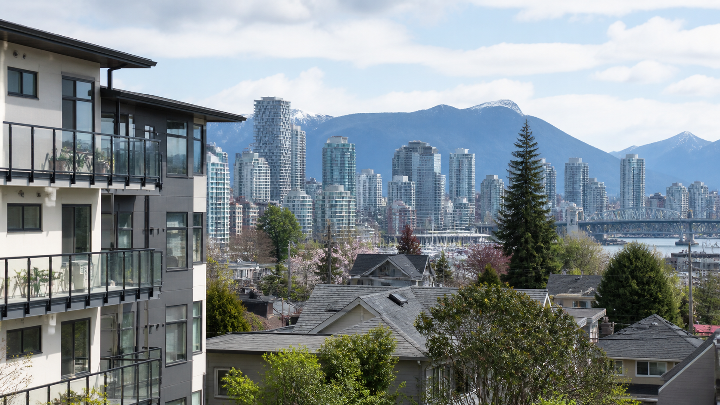
A new study examining short-term rental restrictions across Canadian urban regions has found that strong rules, such as Vancouver’s, slowed rent growth compared with cities that did not impose similar limits.
The research by McGill University urban planning professor David Wachsmuth and University of Waterloo postdoctoral researcher Cloé St-Hilaire analyzed six years of census metropolitan-area data and rental listings. It compared cities that limit short-term rentals to a host’s principal residence with those without such restrictions.
The researchers found rents were 1.7 per cent lower one year after a city adopted strong short-term rental rules than they otherwise would have been. Wachsmuth said the effect accumulates over several years. In 2023, the study estimated that strict rules saved Canadian renters an average of $55 a month.
The City of Vancouver introduced its regulations in 2018, allowing listings on platforms such as Airbnb and Vrbo only for a principal residence. Secondary units, including basement suites and laneway homes, cannot be listed under those rules. British Columbia brought in similar provincewide restrictions in 2024.
Wachsmuth said short-term rentals are not the largest influence on rental costs, and substantially expanding rental housing supply would have a greater effect. But he described strict short-term rental regulation as a comparatively accessible measure for cities seeking to ease pressure on renters.