 Vancouver
METRO VANCOUVER NEWS
David Eby says B.C. will not impose an annual TransLink levy of up to $150 per Metro Vancouver vehicle
TransLink proposed an annual vehicle levy of $100 to $150 before the snap election, but Eby says the province will not proceed. TransLink says it needs at least $112 million in new annual revenue starting in 2028.
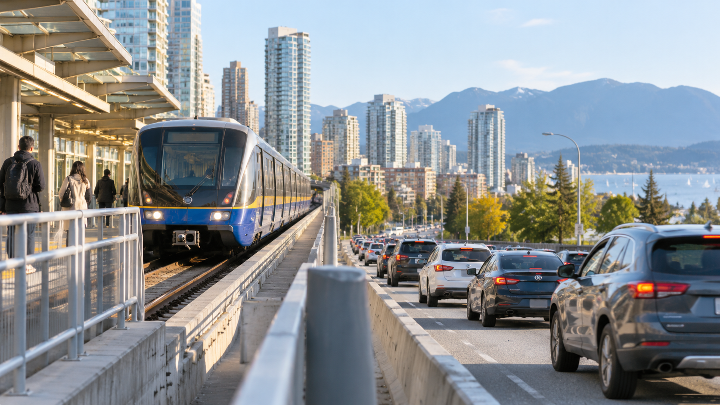
In 2025, the Government of British Columbia provided TransLink with $312 million in operating subsidies to help cover its revenue shortfalls through the end of 2027. The funding was described as the province’s final operating subsidy. The province also committed to passing legislation in 2027 to give TransLink a major new revenue source starting in 2028, but did not specify what that source might be. The subsidies covered about half of TransLink’s operating shortfall; the rest was addressed through larger-than-usual fare, property tax and parking tax increases approved by TransLink’s Mayors’ Council. Together, the measures averted a fiscal cliff and the threat of major transit service cuts beginning in late 2025 or early 2026. TransLink is now seeking at least $112 million in additional annual revenue from 2028, when the remaining provincial subsidies run out.
Transit ridership in Metro Vancouver has almost returned to pre-pandemic levels. But with semi-remote work still common, more passengers are buying single-trip fares for less frequent commutes instead of more expensive monthly passes, reducing fare revenue. Fares are TransLink’s second-largest operating revenue source after property taxes. Pandemic-era subsidy agreements with senior governments also constrained fare increases through 2024. Meanwhile, operating costs have continued to rise, initially driven in large part by the pandemic. Labour costs have also increased under new collective agreements in recent years. Last month, an agreement with 5,000 bus drivers, SeaBus workers and maintenance workers averted a disruptive service shutdown.
Since 2025, there has been speculation about which new revenue sources TransLink and the provincial government might pursue through legislation. Frequently discussed options include a vehicle levy, regional road tolls or mobility pricing, and a regional TransLink sales tax on goods and services. Metro Vancouver voters explicitly rejected the sales tax proposal in a divisive 2015 plebiscite. An annual levy on every vehicle registered in Metro Vancouver has drawn particular attention. A similar proposal was considered in the early 2000s, shortly after TransLink was established as a standalone transit authority separate from BC Transit. Local officials then sought an annual $75 levy per vehicle to provide predictable funding for transit operations and improvements. The plan faced swift political backlash and was abandoned before taking effect. Over the past year, Daily Hive Urbanized has heard about internal discussions at the provincial government and TransLink about potentially legislating a vehicle levy.
This morning, CKNW radio host and former BC Liberal MLA Jas Johal provided more details. He said the BC NDP-led provincial government and TransLink had discussed ways to address the public transit authority’s long-term funding challenges before Premier David Eby called the snap election, including an annual levy of $100 to $150 per vehicle. Under the proposal, ICBC would collect the levy during annual insurance renewals. The Conservative Party of British Columbia later issued a statement opposing the new tax and accused the BC NDP of planning it in “secret.” Trevor Halford, the party’s candidate for Surrey–White Rock, said David Eby had promised to tax the rich but had instead raised taxes on the lowest-income British Columbians and was now threatening a new tax on cars. Halford said Eby could not be trusted and would make life more expensive.
Reporters asked Eby about the possibility later this morning at an unrelated campaign platform announcement. He ruled it out, saying the province routinely asks TransLink to bring forward all its proposals and that TransLink had proposed a vehicle levy. “We are not going ahead with the vehicle levy. That will not happen,” he said. Eby added that British Columbians are already struggling and that the previous day’s announcement about gas prices reflected the pressure drivers are under. “We can’t come to them for more. This comes up every election,” he said. The BC NDP’s campaign promise, announced the day before, would suspend part of the provincial gas tax, cutting it by as much as 30 cents per litre to provide drivers with immediate relief. A vehicle levy could offset the savings drivers would receive from the gas tax reduction.
In a statement to Daily Hive Urbanized this morning, TransLink said the provincial government is responsible for choosing a new revenue source and that TransLink has not advocated for any particular option. It also pointed to declining revenue from the existing gas tax. Average fuel consumption per vehicle has fallen 45 per cent since 2002 as vehicles have become more efficient and more drivers have switched to battery-electric models, TransLink said. The authority is collecting less fuel tax despite an increasing number of vehicles on the road and expects that revenue to keep falling. It warned that leaving its long-term funding needs unresolved could also lead to cuts in road investments. TransLink said its transit network supports housing growth, helps people reach jobs and moves goods across the region. “We look forward to working with whichever party British Columbians elect to form government, on a sustainable path forward,” it said.