 Vancouver
METRO VANCOUVER NEWS
Musk launches steering-wheel-free Cybercab service in Austin
Tesla has sent dozens of gold Cybercabs without steering wheels or brake pedals onto Austin streets as it seeks to catch Waymo and win over wary riders.
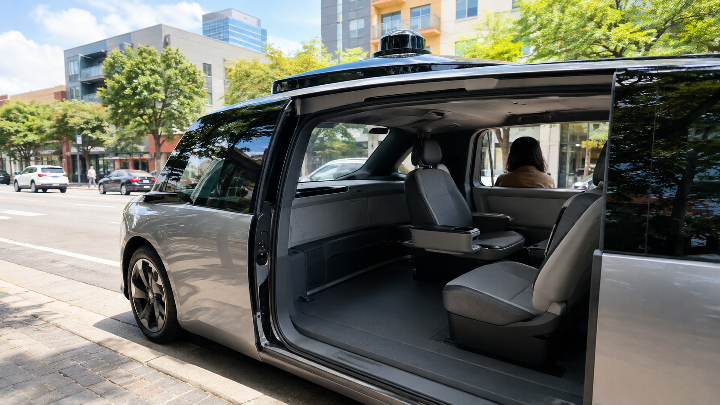
Elon Musk sent dozens of self-driving Cybercabs without steering wheels or brake pedals onto Austin, Texas, streets Thursday, betting Americans will overcome concerns about rides with no human controls. The gold-coloured Tesla vehicles give passengers no way to take over in an emergency as the company prepares to expand the service to other cities.
Tesla promoted the launch on X with a message reading, “No steering wheel, no pedals.” Musk later posted an image of a giant Cybercab above the Austin skyline and wrote, “A Storm of Cybercabs.” An invitation-only event was expected later Thursday. Tesla shares rose more than five per cent on hopes the service will gain traction, after a slump in vehicle sales hurt the company.
The timing of a broader Cybercab rollout remains unclear. Tesla trails Waymo in deployed vehicles and completed trips, and must show its camera-only system can safely navigate streets and avoid pedestrians. Waymo and Amazon’s Zoox use cameras alongside radar and lidar.
Public acceptance remains uncertain. A February Pew Research Center survey found 70 per cent of U.S. adults were not too comfortable or not at all comfortable riding in a driverless car. Sixteen per cent said they would be somewhat comfortable, while seven per cent said they would be extremely or very comfortable. Gallup polling in 2025 found skepticism about driverless-car safety had increased over several years, with more Americans favouring fully or mostly human-operated vehicles than in 2018.
Austin has had Tesla robotaxis since June last year, though those vehicles have steering wheels and brake pedals. The service expanded to five other cities in Texas and Florida and initially used onboard safety drivers. RobotaxiTracker says Tesla now has more than 200 unsupervised robotaxis in those cities, compared with Waymo’s more than 4,000 vehicles in 14 cities.
Tesla faced protests and consumer boycotts in several countries after Musk took over President Donald Trump’s DOGE cost-cutting campaign and embraced extreme-right political candidates. Tesla recorded a second consecutive annual decline in vehicle sales last year, profits fell sharply, and China’s BYD replaced it as the world’s best-selling electric-vehicle maker. A January Pew poll found nearly six in 10 U.S. adults held a very or mostly unfavourable view of Musk.
Musk hopes eventually to distribute full self-driving software to hundreds of thousands of Teslas, allowing owners to use idle vehicles as taxis. Regulators in the United States and overseas remain unconvinced: Tesla has not received approval for drivers to use even its partial self-driving software in most European Union countries. U.S. regulators are investigating its role in crashes in fog, sun glare and other low-visibility conditions, including one fatal pedestrian collision; incidents involving red lights and wrong-way driving; and Tesla’s apparent failure to report crashes promptly.