 Vancouver
METRO VANCOUVER NEWS
Vancouver’s youngest-ever councillor has public transit projects in mind
Solomon Yi-Kieran, 21, will join Vancouver City Council on Nov. 2 with plans for covered bus-stop benches and priority bus lanes. COPE’s top priority, Yi-Kieran says, is affordable housing and lowering living costs.
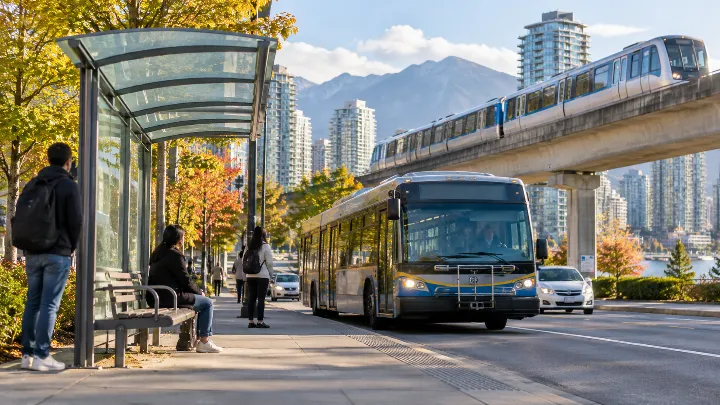
When the new Vancouver City Council is sworn in on Nov. 2, Solomon Yi-Kieran will become its youngest-ever councillor. Yi-Kieran turned 21 the day before the municipal election and won a seat running with COPE Vancouver, receiving just over 60,000 votes. During the campaign, Yi-Kieran advocated for better transit and posted videos promising to push for a SkyTrain extension to the University of British Columbia (UBC), covered benches at every bus stop and dedicated bus lanes.
Yi-Kieran said their interest in transit comes from two places: their father drives a bus and HandyDART, and Yi-Kieran uses public transit. They said many young people rely on transit every day but cannot afford a car or frequent Uber rides. Yi-Kieran said elected officials have not made transit a priority, in part because most of them do not use it themselves. In Yi-Kieran’s view, some officials assume only wealthy homeowners vote, so they do not try to turn out transit riders or make and deliver promises to improve service.
The campaign slogan in Yi-Kieran’s social media biographies is, “We didn’t start this class war, but we’re gonna win it.” Yi-Kieran said Vancouver’s history has repeatedly seen governments serve wealthy people, who in turn support those governments, while neglecting the working class. The phrase, Yi-Kieran said, is about a city government that works for the interests of regular Vancouverites and all residents, rather than only the wealthiest people, mansion-owning backers and big-money interests.
### Growing up in two countries and entering student politics
Yi-Kieran grew up in both Canada and China, spending time in Victoria, Courtney, Nanaimo, Vancouver, Tianjin and Kunming. Yi-Kieran said the family moved so they would experience more than one culture and know both sides of the family without losing any part of that background. Yi-Kieran is fluent in Chinese and said growing up in two countries showed them how differently parts of the world approach urban planning, government and society. That experience helped motivate Yi-Kieran to study history at UBC, initially with the goal of becoming a teacher. Later, studying history also became a way to understand how the world came to be as it is and how things can change.
As a UBC student, Yi-Kieran became involved in student politics and ran for vice-president of external affairs for the student union. Yi-Kieran cited several accomplishments: leading a campaign for the UBC SkyTrain that gathered 15,000 petition signatures; writing a unanimous council motion with councillors Sean Orr and Lucy Maloney for the City to re-endorse the project; lobbying senior levels of government; holding a rally at UBC; and organizing a protest outside Commercial Broadway City Hall Station to mark the SkyTrain project’s 18-year delay. The article’s photo caption describes a UBC SkyTrain promise “18th birthday party” outside the station on Jan. 14, 2026.
Yi-Kieran also worked with climate organizers across Canada to lobby the federal government and secure $40 million for youth climate jobs through the Youth Climate Corps. Yi-Kieran led student unions across B.C. in opposing the province’s post-secondary review and trying to prevent the two per cent tuition cap from being scrapped. After the UBC SkyTrain rally, Yi-Kieran said they saw considerable momentum among people engaged on campus. That inspired them to run and try to get young people to vote and participate; Yi-Kieran believes that did happen during the campaign. In social media videos, Yi-Kieran presents their experience as a Vancouver student as an asset, saying they understand things other politicians may be out of touch with, such as squeezing onto a crowded bus or barely affording rent in a basement suite.
### The campaign and council priorities
Social media was a major part of COPE’s campaign, used to explain Vancouver issues and how the party would address them. Yi-Kieran said people with busy schedules, jobs and family responsibilities cannot be expected to find time to research 55 candidates. The campaign was also about building a movement and discussing issues constructively rather than simply preaching. Yi-Kieran said COPE held town halls to teach people how to speak at city council about AI data centres, which the party strongly opposes, and policy conferences where people could offer feedback on COPE’s platform.
Since the Oct. 17 election, Yi-Kieran said COPE’s councillors-elect have got straight to work researching motions, onboarding and meeting Mayor-elect Pete Fry and other councillors. Yi-Kieran said they feel optimistic about the new council’s ability to work together. In the short term, they want to start a project to ensure every bus stop in Vancouver has a covered bench. Yi-Kieran said it rains 40 per cent of the year in the city, many people use transit, and 41 per cent of seniors do too, making this an accessibility issue.
Yi-Kieran also wants priority bus lanes on several major streets. Vancouver City Council has approved the lanes, but they have not yet been implemented. Yi-Kieran said residents need to see tangible improvements to daily life quickly after years of government delays and slow action. Over the longer term, Yi-Kieran wants to work with Mayor-elect Pete Fry, TransLink and other municipalities to improve transit service.
Although transit is a particular interest, Yi-Kieran said COPE’s biggest priority is delivering affordable housing and lowering the cost of living and rent. The party’s platform includes a range of housing commitments: bringing back the Renter’s Office, tripling the empty homes tax, creating affordable public housing and co-ops, and taxing wealth in mega-mansions.