 Vancouver
METRO VANCOUVER NEWS
Mayor reflects on affordable housing and wildfire preparedness after UBCM convention
Burnaby Mayor Mike Hurley says the city pressed for local decision-making, renewed affordable-housing funding and stable long-term wildfire-preparedness support at the UBCM convention.
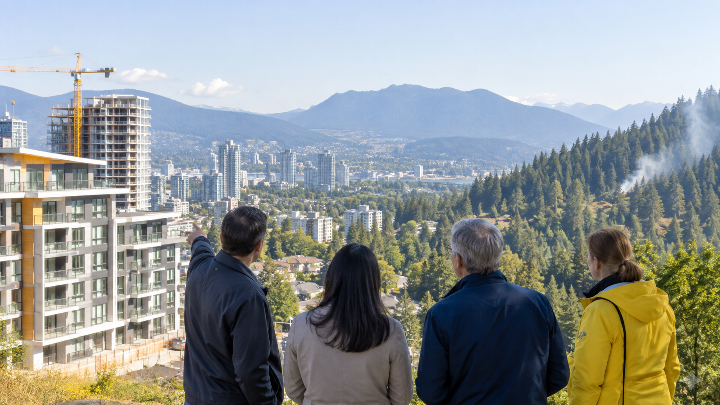
In a letter to residents following last week’s Union of British Columbia Municipalities convention, Burnaby Mayor Mike Hurley said the city joined local governments from across British Columbia to press the Province on issues affecting their communities. UBCM brings local governments together to advocate shared interests through policy sessions, workshops, resolution debates and meetings with provincial representatives.
Hurley said Burnaby highlighted three priorities: protecting local decision-making, restoring reliable funding for affordable housing, and securing stable, long-term funding for wildfire prevention and preparedness. He said modern construction methods such as modular housing may help deliver some housing more quickly and efficiently, but cannot replace sound local planning.
The mayor reiterated Burnaby’s concerns about Bill 44 and what he described as the Province’s one-size-fits-all housing approach. The legislation requires multi-unit housing on lots previously zoned for single- and two-family homes. Hurley said he had written to Premier Eby on behalf of 16 mayors, urging the Province to pause and reconsider the legislation. Before Bill 44, Burnaby had developed a 10-year housing strategy through public engagement and an assessment of local needs, while planning housing growth around its four town centres alongside transit, schools, parks, community facilities and essential infrastructure.
Hurley said additional density in neighbourhoods not equipped to support it can add pressure to schools, transit, parks, roads, water and waste services. He said the associated infrastructure costs can fall on taxpayers or be passed through development costs into higher home prices and rents, potentially making projects unviable.
A major UBCM resolution called for the Province to reinstate the Community Housing Fund. In Budget 2026, the Province reallocated nearly $1.4 billion in housing investments across its current three-year fiscal plan and indefinitely suspended the fund, which municipalities and non-profits have relied on to build affordable rental housing. Hurley said Burnaby has about 25,000 approved housing units that have not moved into construction, while nearly 4,000 completed homes in Metro Vancouver remain vacant and unsold. He argued that the focus should be on delivering housing that is needed and can be completed, particularly affordable housing.
UBCM delegates also endorsed stable, predictable and long-term funding for the FireSmart Community Funding and Supports program, which supports local governments and First Nations in assessing wildfire risk, educating residents, reviewing properties and critical infrastructure, and making communities more resilient. The program shifted from open intake to a competitive process earlier this year after funds dwindled. The Province provided additional funding for 2026 and has committed $15 million for the 2027 intake, but Hurley said communities need certainty beyond a single funding cycle.
Burnaby has not faced wildfires on the scale seen elsewhere in British Columbia, Hurley said, though hotter and drier summers are increasing risk. The city’s new wildfire-detection system uses 45 ground sensors and six smoke-detection cameras to identify potential fires in near real time and alert emergency personnel before they spread. He said the issues raised at UBCM share a need for local decision-making, stable long-term funding and planning that gives communities certainty as they manage growth, build affordable housing and prepare for emergencies.