 Vancouver
METRO VANCOUVER NEWS
How 9/11 reshaped Canadian air security — and how technology is changing it
Airport screening, cockpit protection and passenger identification changed sharply after 9/11. New CT scanners and facial recognition are easing some steps in Canada, while raising fresh privacy questions.
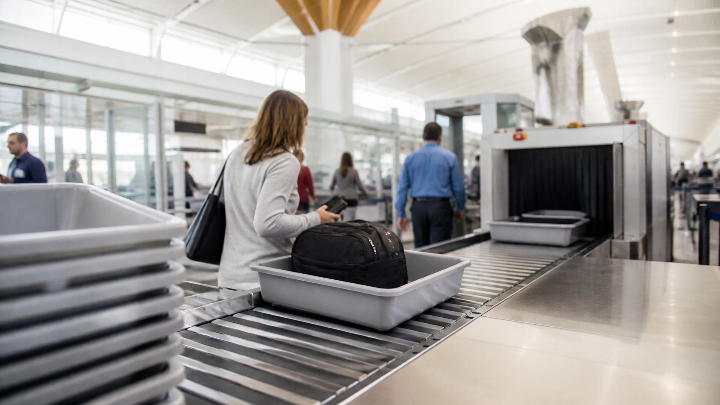
The Sept. 11 attacks permanently changed how Canadians travel by air, replacing relatively light screening with layered checks, tighter cockpit security and standardized training across the sector.
Before the attacks, domestic passengers could often reach the gate with minimal screening and, in some cases, board without showing identification. Airlines were responsible for screening and frequently contracted the work to firms whose focus included keeping the trip convenient, said Margaret Bloodworth, Canada’s deputy transport minister in 2001.
The Canadian Air Transport Security Authority, created in April 2002, brought screening under a national security and training regime, though it contracts work to companies including GardaWorld and Paladin. Rules introduced after 2001 included limits on liquids, more scrutiny of bags, restrictions on small knives and, for a period, more frequent shoe removal. Airlines installed reinforced cockpit doors by April 2003, stopped flight-deck visits and expanded employee screening and crew training.
Some procedures have since eased. CT X-ray scanners at 10 Canadian airports, from Halifax to Vancouver, generate detailed 3D images of baggage and can identify explosive materials. Passengers using those lines can often leave laptops and liquids in their bags, though ticket and ID checks and long waits at busy times remain.
Air Canada began using facial recognition at gates in December 2024 on some domestic flights from Vancouver and Toronto Pearson, allowing participating customers to board without presenting a physical passport or driver’s licence. U.S. Customs and Border Protection also uses the technology for preclearance on select cross-border flights at Canadian airports.
John Gradek, an aviation-management instructor at McGill University, said biometrics can make travel smoother but leave questions about control, access and retention of passengers’ data, as well as how systems respond when they fail to recognize someone. He described the technology as the latest phase of security changes set in motion by 9/11.