 Vancouver
METRO VANCOUVER NEWS
Waymo plans to bring its fully driverless ride-hailing service to Toronto in 2028
Waymo is preparing to enter Toronto, its first Canadian market, with a fully driverless ride-hailing service and hopes to welcome its first passengers in 2028. Vehicles may appear on city streets in the coming days for manual mapping and testing before autonomous service begins.
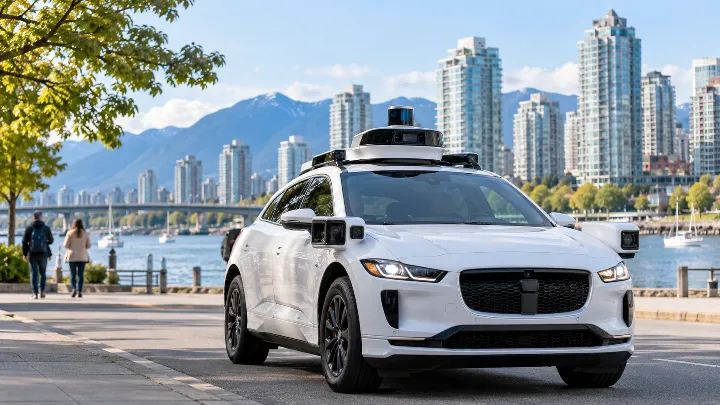
Waymo is preparing to bring its fully driverless ride-hailing service, also known as a robotaxi service, to Toronto, with the goal of welcoming its first passengers in 2028. The service would let passengers book rides in vehicles with no human driver behind the wheel. The California-based company is a subsidiary of Alphabet Inc., Google’s parent company. Waymo announced its planned Canadian expansion last week, saying it will invest in local facilities and work with partners to support hundreds of jobs over time.
Toronto residents could begin seeing Waymo vehicles on city streets in the coming days. At this initial stage, the vehicles will be driven manually. The company plans to map the city’s streets in detail and test its technology with trained specialists behind the wheel. The work is intended to ensure its automated driving system can handle Toronto’s road network and local driving conditions before a fully autonomous passenger service is introduced.
Waymo co-CEO Tekedra Mawakana said in a statement that expanding into Canada marks an important milestone in the company’s global journey. She said Waymo is proud to bring the Waymo Driver to Canada’s largest city and partner with its business, arts and cultural communities, which share the company’s commitment to safer streets and more accessible mobility.
Waymo selected Toronto-based Element Fleet Management to help manage the vehicles and support service operations. The company plans to support hundreds of positions over time in vehicle maintenance, test driving, customer service and other operational roles. The expansion builds on Waymo’s existing Canadian connections, including its investment relationship with the Canada Pension Plan Investment Board and its manufacturing partnership with Magna International.
Waymo says its fully driverless vehicles have a better safety record than human drivers, citing crash data measured over the same distances in the cities where it operates. According to the company, its vehicles were involved in 95 per cent fewer crashes resulting in serious injury or death, 82 per cent fewer injury-causing crashes and 82 per cent fewer crashes in which an airbag deployed in any vehicle, compared with an average human driver.
Waymo currently operates in 15 U.S. markets: Atlanta, Austin, Dallas, Denver, Houston, Las Vegas, Los Angeles, Miami, Nashville, Orlando, Phoenix, San Antonio, San Diego, San Francisco and Tampa. In Atlanta and Austin, its robotaxis are also available through the Uber app alongside Uber’s human-driver options.
Company data show that in June 2026 alone, Waymo robotaxis carrying ride-hailing passengers and travelling without a human driver covered approximately 108 million kilometres in Los Angeles. Through June 2026, the figures were 132.6 million kilometres in the San Francisco Bay Area, 148.3 million in Phoenix, 33.9 million in Austin and 13.9 million in Atlanta.
Alongside Toronto, Waymo has previously announced plans to expand internationally to London and Tokyo and to add more U.S. markets: Baltimore, Boston, Charlotte, Chicago, Detroit, Minneapolis, New Orleans, New York City, Philadelphia, Pittsburgh, Portland, Sacramento, Seattle, St. Louis and Washington, D.C. Daily Hive Urbanized reported earlier in 2026 that Waymo is also eager to bring its robotaxi service to British Columbia, most likely Vancouver.
Passengers can book through Waymo’s app, much like Uber or Lyft, by entering a destination and confirming a pickup location. When the vehicle arrives, they use the app to unlock the doors, get in and buckle up, then tap “Start ride” on the interior screen or in the app. The vehicle drives itself to the selected drop-off point. Once it comes to a complete stop, passengers open the doors, get out and close the doors behind them. Riders can also contact customer support or ask the vehicle to pull over through the app or onboard screen.