 Vancouver
METRO VANCOUVER NEWS
Coquitlam’s Route 186 is its slowest bus route
Movement’s review of TransLink performance data says congestion made Route 186 on Pinetree Way 6.1 per cent slower in 2025, placing it among major regional slowdowns.
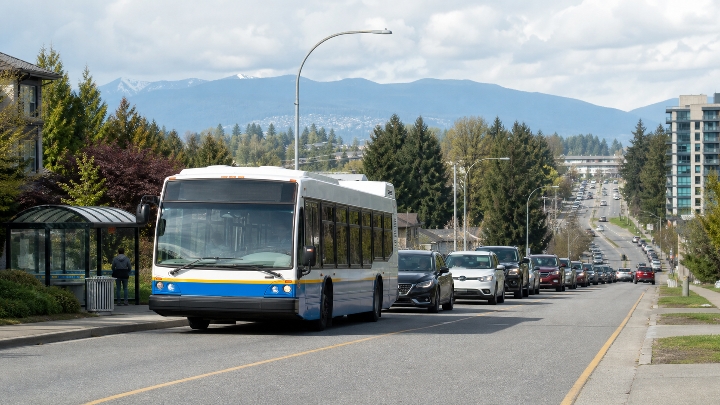
Route 186 on Pinetree Way in Coquitlam was among the 10 bus routes with the largest year-over-year speed declines, losing 6.1 per cent of its time to worsening congestion, according to transit-rider advocacy group Movement’s analysis of TransLink performance data.
Movement executive director Denis Agar said annual performance reviews reveal changes across the region. The group found that a decline in the youth and student population in 2025 contributed to significant reductions in overcrowding and a slight systemwide ridership drop.
Several important Surrey routes nonetheless remain far above their pre-COVID ridership, which Movement says reflects a permanent shift in commuting patterns. Service increases on routes, including in Tsawwassen First Nation and Pitt Meadows, produced major ridership gains.
Overcrowding persists on many regional routes, the group said, and additional buses are especially needed in Surrey, on east-west Vancouver and Richmond routes, and on routes crossing the Lions Gate Bridge. It said 39 routes have become more than 10 per cent slower since 2019, costing TransLink more than $25 million annually. Agar said bus lanes and other transit-priority measures are needed.
Systemwide ridership fell an average 1.5 per cent after years of rapid growth. Agar said TransLink cites slower population growth, a declining youth population and economic uncertainty. Metro Vancouver added more than 100,000 residents annually two years ago but only 5,300 last year, which he attributed to federal cuts in arrivals of international students and temporary workers, both groups that rely heavily on transit.
Buses account for 60.7 per cent of Metro Vancouver transit boardings, compared with 37 per cent for SkyTrain. TransLink funded service increases on 37 routes last year. Movement said routes 719 and 722 saw a 57-per-cent ridership increase after frequency boosts, Route 609 gained 118 per cent after an extension and more service, and larger buses on Route 23 produced a four-per-cent increase.
Movement said Vancouver trolleybus routes 3, 8, 10, 17 and particularly 20 remain in a ridership “death spiral” after 2020 service cuts. Those routes are also among the system’s slowest, and the group said bus lanes on their busy corridors would reduce operating costs.